

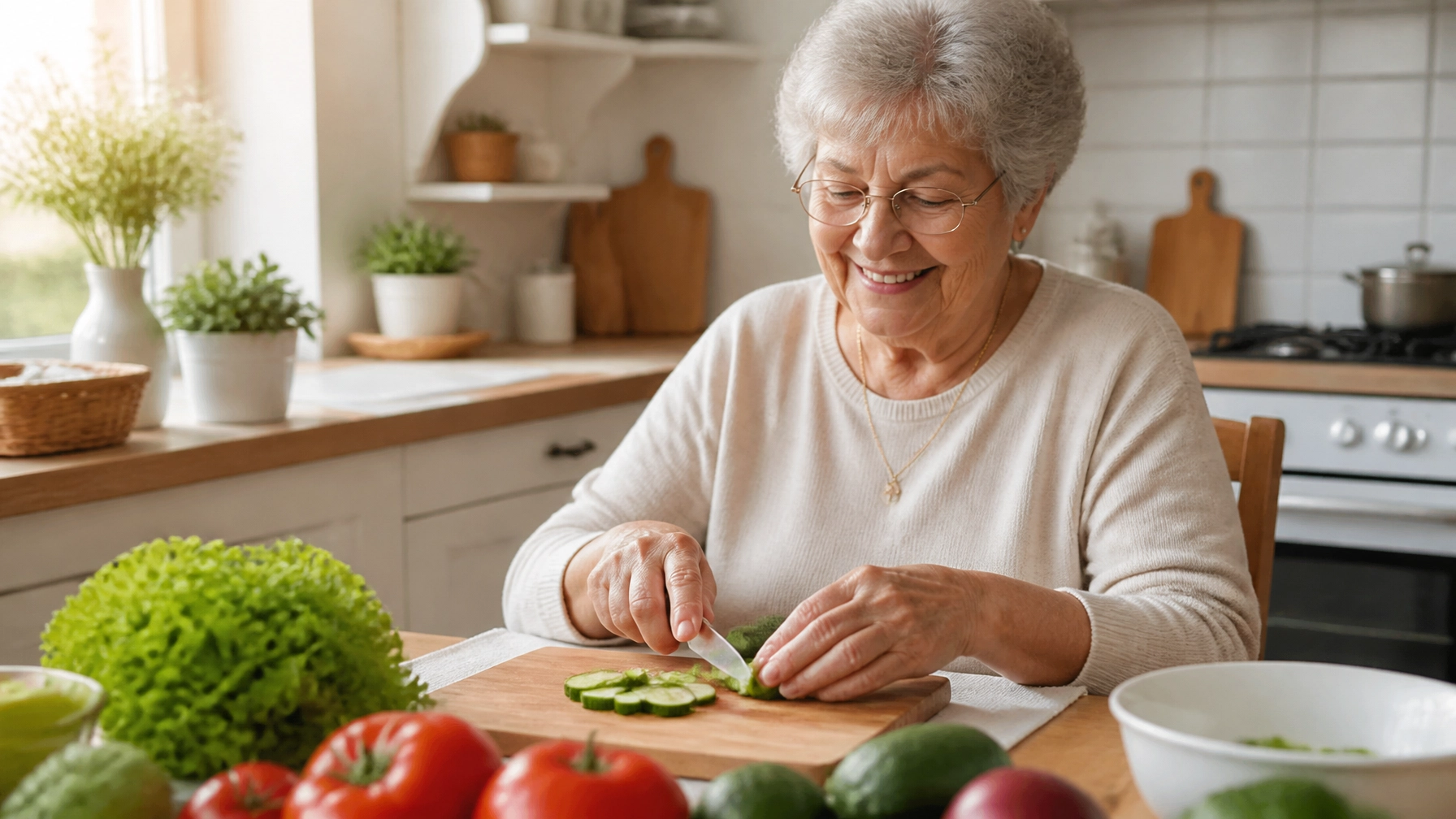
The kitchen is often called the heart of the home. It’s where memories are made over shared meals, where the morning coffee ritual begins, and where we nourish ourselves and our loved ones. However, for many seniors and individuals with mobility challenges, the kitchen can also be one of the most hazardous rooms in the house. Between slippery floors, reaching for high cabinets, and the physical demands of standing for long periods, the risk of a fall is a serious concern.
According to the CDC, falls are the leading cause of injury-related deaths among adults aged 65 and older. In fact, every year, more than 42,000 lives are lost to fall-related accidents. Fortunately, by staying informed and making a few strategic adjustments, you can significantly reduce these risks. Transforming your kitchen into a "Safe Zone" doesn't require a complete renovation; often, it’s about simple, practical changes that empower you to maintain your independence.
In this comprehensive guide, we will walk you through 10 actionable strategies outlined below to help you navigate your kitchen with confidence and peace of mind.
1. Organize for Easy Access
One of the most common causes of kitchen falls is overreaching or bending too low to retrieve heavy items. When you stretch your arms high above your head or stoop down to the back of a bottom cabinet, your center of gravity shifts, making it easier to lose your balance.
Take a moment to evaluate your storage. Move your most frequently used items: like your favorite coffee mug, daily dinner plates, and often-used spices: to waist-to-shoulder level. Heavier items, such as cast-iron skillets or small appliances like blenders, should be stored where they can be accessed without straining. By keeping everything within your "strike zone," you minimize the need for risky movements.

2. Eliminate the Need for Climbing
It might be tempting to grab a kitchen chair or a small stool to reach that one bowl on the top shelf, but this is one of the most dangerous habits you can have in the kitchen. Unstable surfaces like chairs are not designed to support your weight for climbing and can easily tip or slide.
If an item is out of reach, consider it out of bounds for solo retrieval. Ask a family member, neighbor, or caregiver to help move high-stored items to a lower location. If you must use a step stool, ensure it is a high-quality model with a sturdy handrail and wide, non-slip steps. However, the safest strategy is to simply remove the need for climbing altogether by re-organizing your space as mentioned in step one.
3. Brighten Your Workspace
Clear visibility is your best defense against hidden hazards. Dim lighting can make it difficult to see small spills, dropped items, or even the edges of countertops. As we age, our eyes naturally require more light to see clearly, and glare can become more of a distraction.
Install bright, glare-free lighting throughout your kitchen. Under-cabinet LED strips are an excellent addition; they illuminate your work surfaces directly, making food preparation safer and helping you spot any water or oil on the counter before it reaches the floor. Additionally, consider adding motion-activated nightlights along the path to the kitchen for those late-night glasses of water.

4. Install Strategic Support Systems
Sometimes, even with the best organization, you may feel a bit unsteady when moving between the refrigerator, the sink, and the stove. This is where professional fall prevention devices can make a life-changing difference. Creating a "Safe Zone" involves placing support exactly where you need it most.
For example, the Independence Pole is a floor-to-ceiling tension-mounted pole that can be placed in open kitchen areas. It provides a rock-solid handhold to help you steady yourself while standing at the counter or moving across the room. Similarly, if you have a long stretch of cabinetry or a kitchen island, the Independence Rail can act as a reliable guide to help you maintain your balance. These devices are designed to blend into your home while providing the security you deserve.

5. Manage Spills and Floor Hazards
Kitchen floors are prone to becoming slick. Whether it’s a few drops of water from the sink or a splash of oil from the stove, a wet floor is a major fall risk. Every spill should be treated as an emergency: wipe it up immediately.
Keep a lightweight mop or a reacher tool with a microfiber cloth nearby so you can clean up spills without having to bend over precariously. Also, be mindful of "hidden" wet spots, such as leaks from the dishwasher or refrigerator. If you notice persistent moisture, work with a professional to repair the leak before it leads to a dangerous slip.
6. Choose Proper Footwear
What you wear on your feet while in the kitchen is just as important as the floor itself. While it’s comfortable to walk around in socks or bare feet, these offer zero traction on tile or linoleum. Conversely, loose-fitting slippers can easily slide off or cause you to trip.
Wear sturdy, closed-heel shoes with non-skid rubber soles even when you are just at home. If you prefer the comfort of socks, ensure they are high-quality fall prevention socks with specialized grip patterns on the bottom. Proper footwear provides the stability your body needs to navigate the hard surfaces of a kitchen safely.

7. Rethink Your Rugs
Many people enjoy the look of a decorative throw rug in front of the sink or stove. However, these are often "trip magnets." The edges can curl up, or the rug itself can slide out from under you.
The safest kitchen floor is one that is clear of loose rugs. If you feel you need a mat for comfort while standing at the sink, choose a low-profile, "beveled-edge" anti-fatigue mat with a strong rubber backing that sticks firmly to the floor. Ensure it does not have fringes or thick edges that could catch your toe as you walk by.
8. Sit Down for Food Prep
Cooking can be physically demanding. Standing for long periods to chop vegetables or mix ingredients can lead to fatigue, which in turn affects your balance and concentration.
Bring a sturdy, high-backed chair or a kitchen stool with a backrest into the kitchen. By sitting down during your meal preparation, you conserve your energy and stay much more stable. This simple habit can prevent the dizziness or "heavy leg" feeling that often precedes a fall. If you find yourself getting tired easily, consult with a physical therapist to discuss strategies for building endurance and improving your standing balance.
9. Clear the Walkways
A cluttered kitchen is a dangerous kitchen. Cords from appliances like slow cookers or toasters should never cross a walkway. Keep pet food and water bowls in a low-traffic corner rather than in the middle of the floor.
Make it a habit to keep cabinet doors and dishwasher drawers closed when not actively in use. It is very easy to turn around quickly and trip over an open dishwasher door. By keeping your paths clear and wide, you give yourself the room you need to move safely, especially if you use a walker or cane.
10. Use Technology and Tools Wisely
Modern technology offers several ways to make kitchen tasks safer. Consider using a "reacher" tool to grab light items from higher shelves instead of reaching. Switch to lightweight pots and pans; heavy cookware is more likely to be dropped, creating both a spill and a trip hazard.
Additionally, check your appliance heights. If your microwave is currently over the stove, it may be safer to move it to a countertop where you don't have to reach up and over a hot burner. Small adjustments to the layout of your tools can have a huge impact on your daily safety.
Your Path to Independence
By implementing these steps, you aren't just "fixing" a kitchen; you are reclaiming your home. Fall prevention is about more than just safety: it’s about the confidence to live on your own terms. Whether it's reorganizing your cupboards or installing an Independence Pole, every action you take is a step toward a higher quality of life.
Remember, you don't have to do this alone. We encourage you to work with your family and consult with healthcare providers or home safety experts to create a personalized plan that fits your specific needs. With the right preparation, the kitchen can remain exactly what it should be: a safe, happy heart of your home.
✔ Reviewed by Steve Kerr, PT
Steve Kerr, PT is the founder of Fall Prevention Foundation and a licensed physical therapist with more than 30 years of experience helping older adults improve mobility, reduce fall risks, and remain safely independent at home.
Our educational articles are reviewed for accuracy and are intended to support older adults, caregivers, families, and healthcare professionals.
Learn more about Steve Kerr and the Fall Prevention Foundation →

