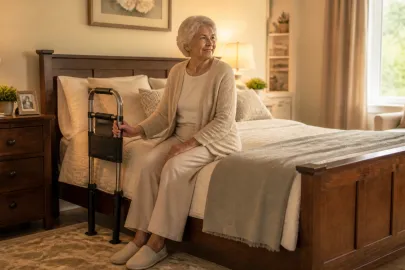
Bringing a loved one home from the hospital or a rehab facility is a major milestone, but it often comes with a side of anxiety. You want them to be comfortable, but more than anything, you want them to be safe. Every year, millions of older adults: about one out of four: experience a fall. Yet, the most important thing to remember is that falls are not an inevitable part of aging.
At the Fall Prevention Foundation, we believe that education is the most powerful tool in your safety kit. When a nurse teaches fall precautions, they aren’t just giving you a list of rules; they are giving you a roadmap to independence. This comprehensive guide breaks down the essential teaching points used by healthcare professionals so you can create a sanctuary of safety right in your own home.
Why "Teaching" is the Secret Weapon
The goal of fall-prevention teaching isn't just to "prevent a trip." It’s about empowering you and your family to identify risks before they become accidents. By working through these steps, you’ll learn to modify the environment, master safe movement, and build a clear plan of action.
According to authoritative sources like the CDC’s STEADI program, most home falls are preventable with consistent precautions. By staying informed and proactive, you are directly contributing to a higher quality of life for yourself or your loved one.
Step 1: Assessing the Risks (The "Safety Audit")
Before you can fix a problem, you have to find it. Nurses use a clinical eye to look at three main areas: the person, their medications, and their surroundings.
Personal Factors
Start by asking a few simple questions:
- History: Have you fallen in the last 12 months? Were you hurt?
- Mobility: Do you feel unsteady or find yourself "furniture walking" (touching tables or walls for balance)?
- Vision & Hearing: Is your prescription up to date? Poor vision or hearing loss can make it much harder to detect hazards.
- The "Urgency" Factor: Are you rushing to the bathroom? Frequency or incontinence often leads to hurried, unsafe movements.
Medication Review
Certain medications can affect balance. While you should never change a dosage without professional guidance, it is helpful to ask a healthcare provider if any current prescriptions cause:
- Dizziness or lightheadedness
- Drowsiness or sedation
- Confusion or blurred vision
The Home Walk-Through
Walk through your home with a critical eye. Look for clutter in walkways, loose rugs, or poorly lit hallways. Every obstacle is a potential risk that can be managed with a few simple changes.

Step 2: Room-by-Room Safety Strategies
A safe home is built one room at a time. Use these strategies outlined below to transform your living space into a fall-proof environment.
The Bathroom: Your Top Priority
The bathroom is statistically the most dangerous room in the house due to slippery surfaces and low seating.
- Install Grab Bars: These should be professionally mounted next to the toilet and inside the shower. Do not rely on towel racks: they aren’t designed to hold body weight.
- Non-Slip Surfaces: Use high-traction mats inside the tub and secured, non-slip rugs on the floor.
- Raise the Seat: A raised toilet seat makes it significantly easier to stand up without straining or losing balance.
The Bedroom: A Path to Peace
- Light the Way: Use motion-activated night lights along the path from the bed to the bathroom.
- Clear the Path: Remove any "trip hazards" like slippers, phone cords, or magazines near the bedside.
- Bed Height: Ensure the bed is at a height where your feet can rest flat on the floor when sitting on the edge.
The Kitchen: Accessibility is Key
- Reachability: Keep frequently used items: like your favorite mug or cereal box: between waist and shoulder height.
- No Stepstools: Avoid climbing. If something is out of reach, ask for help or wait until someone can assist you.
- Spill Control: Keep a cloth handy to wipe up any liquid immediately. Even a few drops of water can make tile floors incredibly slick.

Step 3: Mastering Personal Safety Habits
Safety isn't just about the house; it’s about how you move through it. Nurses teach specific techniques to keep the body stable and the mind alert.
The "Dangle" Technique
Many falls happen because of a sudden drop in blood pressure when standing up: this is called orthostatic hypotension. To prevent this:
- Roll to your side before sitting up.
- Sit on the edge of the bed and "dangle" your legs for a minute.
- Perform ankle pumps: Flex your feet up and down 10 times to get the blood flowing.
- Stand slowly and pause before you start walking to ensure you aren't dizzy.
Footwear Matters
Believe it or not, what’s on your feet is just as important as what’s on the floor.
- Say no to socks: Walking in socks on wood or tile is like walking on ice.
- Choose "Safe Shoes": Look for shoes with closed heels, non-slip soles, and a secure fit. Avoid loose-fitting slippers or flip-flops.
Vision and Hearing
Wear your glasses and hearing aids exactly as prescribed. Clean your glasses daily: smudges can hide a rug corner or a pet underfoot. Regular check-ups with an eye doctor are a vital part of your prevention strategy.
Step 4: Using Assistive Devices Correctly
A walker or cane is only helpful if used the right way. If a physical therapist has recommended a device, make sure you follow their specific instructions.
- Walkers: Always keep the walker in front of you. Move the walker first, then step into it. Never pull on the walker to stand up; instead, push off the chair or bed and then grab the walker once you are stable.
- Canes: Hold the cane in the hand opposite your "weaker" leg. Move the cane and the weak leg together, then follow with the strong leg.
- Wheelchairs: Always lock the brakes before sitting down or standing up. Move the footrests out of the way so you don't trip over them during the transfer.

Step 5: What to Do If a Fall Occurs
Fear of falling can actually increase your risk because it leads to tension and rushing. Having a plan replaces that fear with confidence.
If You Fall but Aren’t Badly Hurt
- Stay Calm: Take a few deep breaths. Don't try to get up immediately.
- Assess for Pain: Check your head, hips, and limbs. If you feel sharp pain, stay still.
- The Crawl Method: If you feel okay, roll onto your side and crawl to a sturdy piece of furniture, like a sofa or a heavy chair. Use your hands to push yourself up into a seated position.
When to Call for Help
Always call 911 or emergency services if:
- You hit your head or lost consciousness.
- You have severe pain or see a visible deformity in a limb.
- You feel confused, dizzy, or short of breath.
Nurse’s Tip: Always tell your doctor or home health nurse about a fall, even if you weren't hurt. It could be a sign that a medication needs adjusting or a new health factor needs attention.
Empowering Your Future
Fall prevention is a journey, not a one-time chore. By following these strategies, you are taking active steps toward maintaining your independence and staying in the home you love.
Remember, you don't have to do this alone. Work closely with your healthcare team, consult with your primary care provider about balance exercises, and ask for a physical therapy referral if you feel unsteady. With preparation and the right tools, you can live life on your own terms: with confidence, strength, and safety.
Fortunately, by staying informed and making these small but mighty changes, you can ensure that your home remains the safe haven it’s meant to be. Stay proactive, stay safe, and keep moving forward!

✔ Reviewed by Steve Kerr, PT
Steve Kerr, PT is the founder of Fall Prevention Foundation and a licensed physical therapist with more than 30 years of experience helping older adults improve mobility, reduce fall risks, and remain safely independent at home.
Our educational articles are reviewed for accuracy and are intended to support older adults, caregivers, families, and healthcare professionals.
Learn more about Steve Kerr and the Fall Prevention Foundation →