

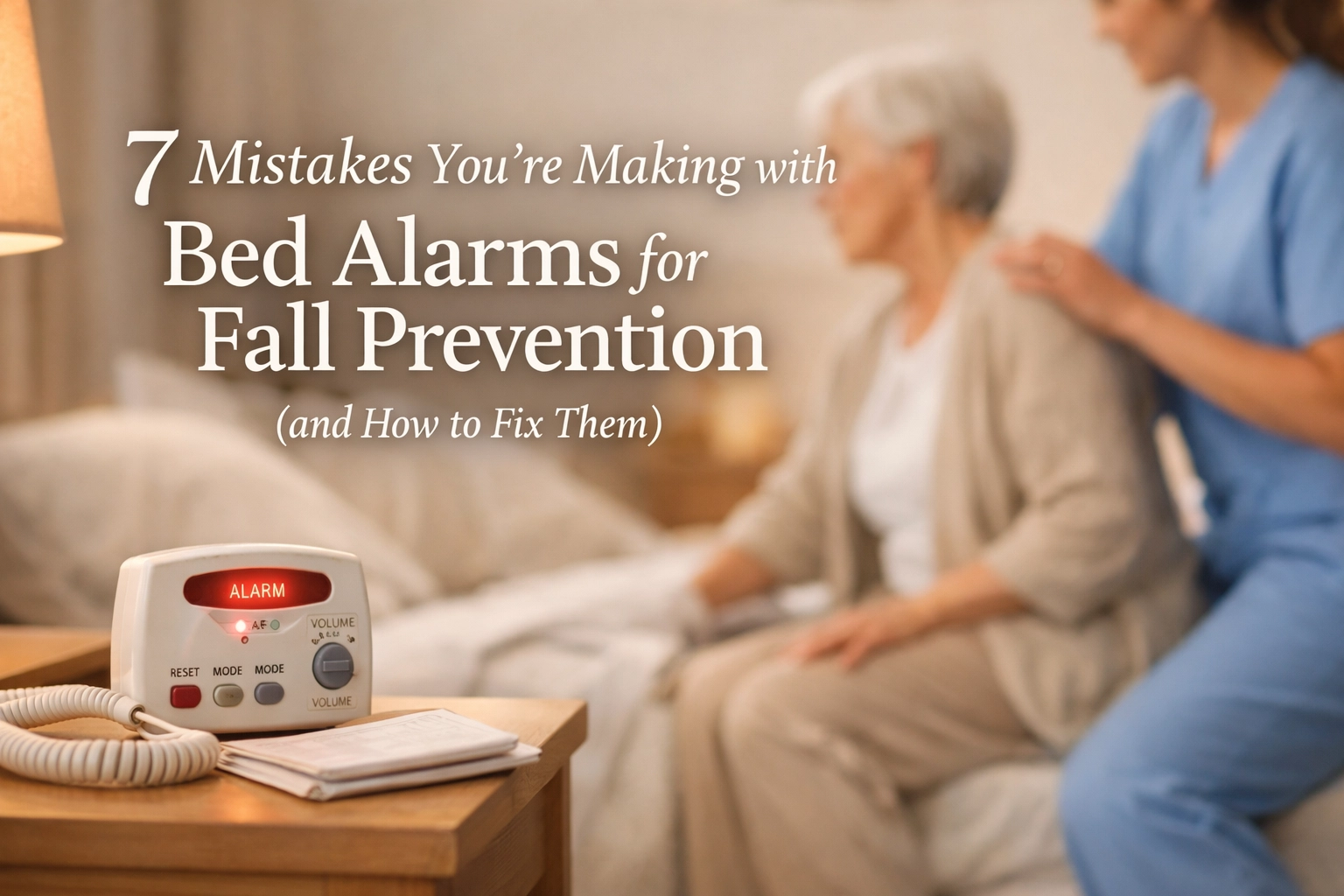
When you are caring for an aging loved one, the sound of a bed alarm can feel like a safety net. It’s that high-pitched "beep" that tells you they are trying to get up, giving you a chance to rush in before a stumble happens. For many families and caregivers, these devices offer a sense of relief in the middle of the night.
However, there is a common misconception that simply buying a bed alarm and placing it under a mattress is enough to stop a fall. In reality, relying too heavily on technology without a solid plan can sometimes lead to a false sense of security. Every year, thousands of older adults experience falls even when alarms are in place. In fact, research suggests that when used incorrectly, bed alarms might not reduce the frequency of falls at all.
If you’re using a bed alarm to keep a loved one safe, you are already taking a great step toward proactive care. But to make sure that tool actually works, you need to avoid the common pitfalls that render these devices ineffective. Here are seven mistakes you might be making with bed alarms and, more importantly, how you can fix them to create a safer environment.
1. Treating the Alarm as Your Primary Prevention Strategy
The biggest mistake many people make is assuming the bed alarm is the "solution" to fall prevention. It’s easy to think, "I have the alarm set, so they are safe." In reality, a bed alarm is just one small piece of a much larger puzzle.
A study of nearly 28,000 patients revealed that the presence of bed alarms alone did not result in fewer falls. This is because a fall is often the result of multiple factors: balance issues, medication side effects, or poor lighting. If you only focus on the alarm, you might miss the bigger picture.
The Fix: Use bed alarms as part of a comprehensive strategy. This includes regular ways to prevent falls in the elderly, such as clearing clutter, installing grab bars, and ensuring your loved one has the right footwear. Think of the alarm as a backup, not the frontline defense.

2. Misunderstanding the "Reactive" Nature of Alarms
It’s a common misunderstanding to view bed alarms as proactive devices. You might think the alarm will stop your loved one from getting out of bed, but that isn't how they work. Most bed alarms are pressure-sensitive pads that trigger after weight has been removed.
By the time the alarm sounds, the person may already have their feet on the floor or be halfway across the room. If your loved one is quick or has severe balance issues, those few seconds between the "beep" and your arrival are when the fall happens.
The Fix: Shift your mindset from reactive to proactive. Instead of waiting for the alarm, try to anticipate why your loved one is getting up. Are they thirsty? Do they need to use the bathroom? Implementing a routine of "scheduled rounding": checking in every hour or two to assist with needs: can prevent the need for them to get up unassisted in the first place.
3. Succumbing to "Alarm Fatigue"
Have you ever found yourself moving a bit slower to respond to a beep because "it’s probably just them shifting in their sleep again"? This is called alarm fatigue. Bed alarms are notorious for false positives. A person might reach for a glass of water, adjust their pillow, or simply roll over, and the alarm goes off.
When an alarm triggers frequently for no reason, you naturally start to tune it out. This "boy who cried wolf" effect is dangerous. If you stop treating every alarm with urgency, you might miss the one time they actually need help.
The Fix: Look for high-quality devices with adjustable sensitivity or delay settings. Some modern alarms allow for a 1- or 2-second delay to account for normal movement in bed. Additionally, ensuring the pad is placed correctly (usually under the shoulder blades or hips) can reduce false triggers. If the alarm is constantly failing, it may be time to consult with a specialist about different types of sensors, like infrared motion detectors.
4. Neglecting Equipment Maintenance and Setup
A bed alarm is a piece of technology, and technology can fail. Batteries die, sensor pads wear out, and cords can become frayed or unplugged. A common mistake is setting up the alarm once and never checking it again until it fails to go off during a critical moment.
Furthermore, settings like volume are often overlooked. If the alarm is in the bedroom but you are in the living room with the TV on, will you hear it? If the volume is too low, the device is useless. If it's too high, it might startle your loved one, causing them to jump and lose their balance.
The Fix: Create a "tech check" routine. Once a week, test the alarm to ensure the batteries are strong and the sensor is responding. Ensure the volume is set to a level that is audible for you but not terrifying for the user. It’s also helpful to look into preventing elderly falls at home by ensuring all safety electronics are part of a regular home maintenance schedule.

5. Failing to Educate the Patient and Family
Sometimes, the person using the bed alarm doesn't actually know what it's for. They might see the cord or the pad as a nuisance and try to move it or unplug it. If they don't understand that the "beep" is there to bring them help, they might feel anxious or even try to "beat the alarm" by moving quickly.
Similarly, other family members or visiting caregivers might not know how to reset the alarm or what to do when it sounds. If everyone isn't on the same page, the system breaks down.
The Fix: Have a gentle conversation with your loved one about the purpose of the alarm. Explain that it’s like a doorbell that lets you know they need a hand. For other caregivers, post a simple "How-To" guide near the bed explaining how to activate, deactivate, and respond to the alarm. Communication is a vital part of falls and fall prevention in older adults.
6. Lack of a Clear Response Protocol
What do you do the moment the alarm sounds? If your plan is just "run into the room," you might be missing critical safety steps. In the heat of the moment, it’s easy to feel panicked. Without a protocol, you might forget to bring a walker or forget to turn on a light, potentially putting both yourself and your loved one at risk of a trip.
The Fix: Develop a "Standard Operating Procedure" for when the alarm triggers.
- Stay Calm: Rapid movement can increase tension.
- Lighting: Turn on hallway or bedside lights immediately.
- Assistive Devices: Grab their cane or walker before you help them stand.
- Assessment: Once you arrive, ask what they need rather than forcing them back into bed, which could cause resistance.
7. Over-Restricting Mobility
While safety is the priority, there is a hidden danger in using bed alarms: the "chilling effect" on mobility. When a person knows an alarm will go off every time they move, they may become afraid to move at all. This leads to physical deconditioning. Muscles weaken, balance worsens, and the risk of a fall actually increases because they are no longer physically capable of steady movement.
Restricting someone to their bed because you are afraid of a fall can lead to a rapid decline in their quality of life and independence.
The Fix: Balance safety with activity. During the day, encourage your loved one to engage in exercises for balance for seniors to keep their muscles strong. Use the bed alarm primarily for times when they are most vulnerable, such as late at night or when they are feeling particularly fatigued. Working with a physical therapist can help you determine the right balance between monitoring and movement.

Moving Toward a Safer Future
Bed alarms are helpful tools, but they are not a "set-it-and-forget-it" solution. By recognizing that these devices are reactive and prone to fatigue, you can better prepare yourself to handle the realities of caregiving.
The goal of fall prevention isn't just to stop a fall; it's to preserve independence and confidence. When you combine technology with proper maintenance, clear communication, and physical activity, you create a safety net that truly works.
If you are feeling overwhelmed, remember that you don't have to do this alone. Consult with healthcare professionals or occupational therapists to tailor a fall-prevention plan specifically for your home. By staying informed and proactive, you can help your loved one live safely and on their own terms.
With the right preparation and a caring heart, you can turn a simple "beep" into a powerful tool for a higher quality of life. Stay steady, stay informed, and keep moving forward together.
✔ Reviewed by Steve Kerr, PT
Steve Kerr, PT is the founder of Fall Prevention Foundation and a licensed physical therapist with more than 30 years of experience helping older adults improve mobility, reduce fall risks, and remain safely independent at home.
Our educational articles are reviewed for accuracy and are intended to support older adults, caregivers, families, and healthcare professionals.
Learn more about Steve Kerr and the Fall Prevention Foundation →

