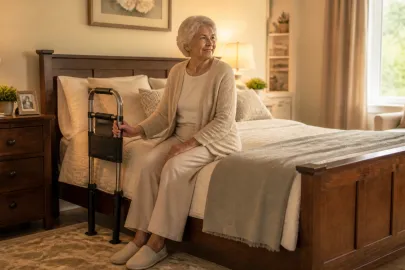
When you or a loved one returns home from a hospital stay or starts to feel a bit "unsteady" on your feet, the world can suddenly feel like a bit of a minefield. At the Fall Prevention Foundation, we hear from families every day who are worried about that "what if" moment. Fortunately, you don't need a medical degree to create a safe environment.
"Nurse teaching" isn't just something that happens in a clinic; it’s a set of strategies you can bring right into your living room. By understanding how healthcare professionals assess risks, you can take a proactive, caring approach to keep yourself or your family members independent and safe. This comprehensive guide will walk you through the essentials of fall precaution teaching, from spotting hidden hazards to mastering the art of safe movement.
Why Fall Prevention is a Priority
Every year, millions of older adults: one out of four, in fact: experience a fall. While these statistics can feel overwhelming, the good news is that most falls are preventable. By staying informed and making small, strategic adjustments, you can significantly reduce the risk of injury.
Nurses prioritize fall prevention because they know that a fall isn't just a physical event; it can impact your confidence and your ability to live on your own terms. Our goal is to give you the tools to maintain your quality of life without the constant fear of a trip or slip.
Identifying Your Personal Fall Risk
The first step in any nurse-led teaching session is the risk assessment. Everyone has a different baseline, and understanding yours is key to a personalized safety plan.
Common factors that increase fall risk include:
- A History of Falls: If you’ve fallen in the past six months, your risk for a future fall is higher.
- Post-Surgery Recovery: Healing takes time, and medications or physical limitations after surgery can leave you feeling wobbly.
- Neurological Conditions: Conditions like Parkinson’s or MS can affect gait and coordination.
- Vision and Hearing Impairment: If you can’t see a hazard or hear a warning, you’re more likely to encounter trouble.
- Cognitive Changes: Sometimes, we forget to use our walkers or overlook a messy floor.
If any of these resonate with you, it’s a great idea to consult with your primary care provider for a formal assessment.
The "Teach-Back" Method: How Nurses Ensure Safety
In a professional setting, nurses use a strategy called "Teach-Back." This means instead of just telling you what to do, they ask you to explain it back to them or demonstrate the action.
When you are working with a loved one at home, try this:
- Explain the strategy (e.g., "Always use the grab bar when getting out of the tub").
- Ask them to explain it back in their own words.
- Request a demonstration. Watch them use their walker or get out of their favorite chair safely.
This ensures that the "teaching" has actually been mastered, giving everyone more peace of mind.

A Room-by-Room Safety Audit
Creating a safe home environment is one of the most effective ways to prevent accidents. Think of your home as a sanctuary that needs a little "tuning up" for safety. For a deeper dive into this, check out our guide on preventing elderly falls at home.
The Living Room and Walkways
- Clear the Clutter: Remove stacks of magazines, shoes, and pet toys from high-traffic areas.
- Secure the Rugs: Throw rugs are notorious for causing trips. Either remove them entirely or use double-sided tape to secure the edges.
- Light the Way: Ensure that walkways are well-lit. Consider installing motion-sensor lights that turn on automatically when you enter a room.
The Bathroom: A High-Risk Zone
The bathroom is often where the most serious falls occur due to slippery surfaces and low seating.
- Install Grab Bars: These should be professionally installed near the toilet and inside the shower.
- Non-Slip Mats: Use rubberized mats inside the tub and non-skid rugs on the floor.
- Raised Toilet Seats: These make it much easier to stand up without losing your balance.

The Bedroom
- Bed Height: Ensure the bed is at a height where your feet touch the floor comfortably when sitting on the edge.
- Nightstands: Keep essentials like a phone, glasses, and a lamp within easy reach so you aren't reaching in the dark.
The Importance of Proper Footwear
One of the simplest yet most overlooked aspects of fall precaution nurse teaching is what you wear on your feet. Walking barefoot or in ordinary socks on hardwood or tile is a recipe for a slip.
We recommend wearing well-fitting, sturdy shoes with non-slip soles, even inside the house. Avoid flip-flops or slippers that don't have a back, as they can easily slip off. For a detailed breakdown of what to look for, read our personal guide on shoes to prevent falls in the elderly.

Movement and Balance: Staying Strong
Physical health is your best defense against a fall. When your muscles are strong and your balance is sharp, your body can better handle an unexpected trip. Nurses often recommend weight-bearing exercises and balance training.
- 10-Minute Routines: You don’t need hours at the gym. We’ve found that even a 10-minute balance exercise routine can make a world of difference.
- Tai Chi and Yoga: These practices focus on core strength and steady movement.
- Physical Therapy: If you're feeling particularly unsteady, ask your doctor for a referral to a physical therapist who can design a program specifically for your needs.

Medication Management and Communication
Many medications, or combinations of them, can cause dizziness, drowsiness, or a drop in blood pressure: all of which increase the risk of a fall.
Pro-tip from the nursing world: Keep an updated list of all your medications, including over-the-counter supplements. Discuss this list with your pharmacist or doctor regularly. They may be able to adjust the timing of your doses (like taking a "dizzy-prone" pill before bed) to minimize your risk during the day.
Also, make sure you have a way to call for help in every room. Whether it’s a mobile phone you keep in your pocket or a wearable medical alert device, knowing help is a button-press away can reduce the anxiety that often leads to rushing: and rushing leads to falls.
What to Do If a Fall Happens
Preparation is key, but knowing how to respond if a fall does occur is equally important.
- Don't Rush to Get Up: Take a few deep breaths and check for pain or injury.
- Use Furniture for Support: If you aren't hurt, roll onto your side, get onto your hands and knees, and use a sturdy chair to slowly pull yourself up.
- Report the Fall: Even if you aren't injured, tell your doctor. A fall can be a sign of a new medical issue or a medication side effect that needs to be addressed.
Moving Forward with Confidence
Learning the basics of fall precaution nurse teaching is about more than just avoiding "accidents." It’s about empowering yourself and your family to live with confidence. By addressing environmental hazards, staying active with targeted balance moves, and maintaining open communication with your healthcare team, you are taking control of your safety.
Remember, safety is a journey, not a destination. Take it one step at a time, literally! By staying informed and proactive, you can enjoy your home and your independence for years to come.
If you found this guide helpful, feel free to explore our Learning Resources for more tips on staying steady and strong. Stay safe out there!
✔ Reviewed by Steve Kerr, PT
Steve Kerr, PT is the founder of Fall Prevention Foundation and a licensed physical therapist with more than 30 years of experience helping older adults improve mobility, reduce fall risks, and remain safely independent at home.
Our educational articles are reviewed for accuracy and are intended to support older adults, caregivers, families, and healthcare professionals.
Learn more about Steve Kerr and the Fall Prevention Foundation →