

Falls don't happen by accident: they result from a combination of risk factors that, fortunately, you can address. In fact, research shows that effective fall prevention requires looking at multiple aspects of your life simultaneously, from the strength of your muscles to the lighting in your hallway. If you're ready to take a comprehensive approach to staying safe and independent, these ten essential strategies will give you the complete picture.
1. Understand That One Solution Isn't Enough
Here's the reality: there's no single fix that will prevent all falls. A bed alarm might alert you when someone gets up at night, but it won't strengthen weak legs. Balance training improves stability, but it won't remove the throw rug you might trip over.
The most effective fall prevention strategy combines exercise, home modifications, health monitoring, and lifestyle adjustments. Think of it as building layers of protection: each one reinforces the others to create a safety net that actually works.
2. Make Balance and Strength Training Your Foundation
Exercise isn't just about staying active: it's your most powerful tool for preventing falls. Programs that include balance training, strength exercises, and functional movements have consistently shown the best results.

The most effective programs include:
- Balance training through activities like standing on one foot, heel-to-toe walking, or tai chi
- Resistance exercises using bands, light weights, or your own body weight to build muscle strength
- 3-dimensional movement that challenges your body to move in all directions, not just forward and backward
Aim for 2-3 sessions per week, and commit to at least 12 months for lasting benefits. Activities like yoga, pilates, tai chi, and resistance band workouts all count toward your fall prevention goals. The CDC recommends combining balance training with 150-300 minutes of moderate-intensity activity each week.
3. Transform Your Home Into a Safe Zone
Most falls happen at home, which means your living space deserves serious attention. Creating safe zones throughout your house dramatically reduces your risk of falling.
Start with these high-priority modifications:
- Bathroom safety: Install grab bars inside and outside your tub or shower, and next to the toilet
- Stairway security: Add railings on both sides of every staircase
- Lighting upgrades: Ensure every room, hallway, and stairway has adequate lighting
- Clutter removal: Clear walkways of electrical cords, magazines, shoes, and anything else you might trip over
- Secure rugs: Remove throw rugs or use non-slip backing to keep them firmly in place
Walk through your home as if you're seeing it for the first time. Any obstacle that requires you to step over, around, or through it creates unnecessary risk.
4. Don't Overlook Your Vision and Hearing
When was your last eye exam? If you're struggling to answer, it's probably time for one. Vision problems significantly increase fall risk because you can't avoid hazards you can't see clearly.

Regular vision checks should happen at least annually, especially if you're over 65. Your eye doctor can identify issues like cataracts, glaucoma, or macular degeneration: all of which affect your ability to navigate safely.
Hearing matters too. Your ears don't just help you hear conversations; they play a crucial role in maintaining balance. If you've noticed any changes in your hearing, schedule an appointment with an audiologist.
5. Review Your Medications With Your Healthcare Provider
Some medications increase fall risk by causing dizziness, drowsiness, or confusion. Others affect blood pressure in ways that make you lightheaded when standing up.
Bring all your medications: including over-the-counter drugs and supplements: to your next medical appointment. Ask your healthcare provider to review:
- Whether any medications might increase your fall risk
- If you're taking the lowest effective doses
- Whether any medications interact in ways that affect balance or alertness
- If there are safer alternatives available
Never stop taking prescribed medications without consulting your healthcare provider first. The conversation should focus on finding the safest medication plan for your specific situation.
6. Pay Attention to What's on Your Feet
Your shoes might seem like a minor detail, but they make a major difference in fall prevention. The right footwear provides stability, traction, and support: three essentials for safe mobility.
Look for:
- Non-slip, rubber soles that grip various surfaces
- Low heels (completely flat isn't ideal either: a small heel provides better stability)
- Secure fit that doesn't slip off your heel
- Good support for your arch and ankle
Avoid walking in socks, high heels, or loose slippers. If you experience foot pain or have concerns about your feet, consult with a podiatrist who can address issues that might affect your balance.
7. Use Bed Alarms and Monitoring Tools Strategically
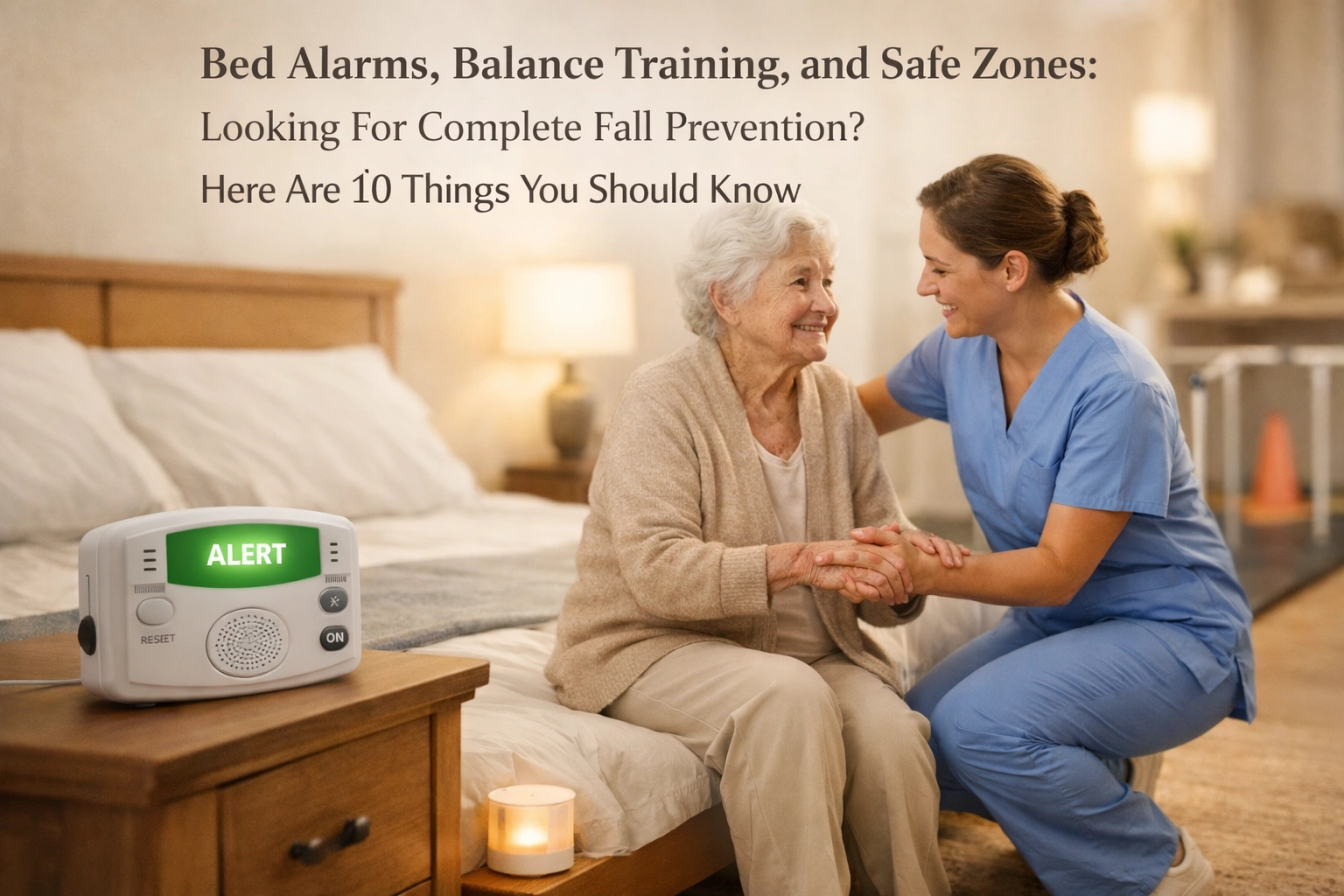
Bed alarms serve an important role, especially for individuals with cognitive impairment or nighttime confusion. These devices alert caregivers when someone gets out of bed, allowing for timely assistance during vulnerable moments.

Modern monitoring options include:
- Pressure-sensitive bed pads that trigger when weight is removed
- Motion sensors that detect movement near the bed
- Wearable devices that alert caregivers if unusual activity is detected
However, remember that alarms notify you that someone is moving: they don't prevent the fall itself. Combine bed alarms with other strategies like bedside lighting, clear pathways to the bathroom, and addressing the underlying reasons someone might be getting up at night.
8. Support Your Body With Proper Nutrition
What you eat affects your bones, muscles, and overall stability. A balanced diet provides the nutrients your body needs to maintain strength and coordination.
Focus on:
- Adequate protein to maintain muscle mass
- Calcium and vitamin D for bone health
- Sufficient hydration to prevent dizziness and confusion
Some research suggests vitamin D supplementation may enhance muscle function and reduce fall risk, though individual needs vary. For more detailed information about supporting bone health through nutrition, check out our guide on nutritional supplements to support bone health in seniors.
Always discuss supplements with your healthcare provider before starting them, as they can interact with medications or existing health conditions.
9. Get a Professional Fall Risk Assessment
Professional assessments identify specific risk factors you might not notice on your own. Healthcare providers use validated tools to evaluate your gait, balance, strength, and overall fall risk.
The CDC's STEADI initiative (Stopping Elderly Accidents, Deaths & Injuries) provides a coordinated framework that includes:
- Screening to identify your current fall risk
- Assessment of modifiable factors you can address
- Intervention using proven clinical and community strategies
Your healthcare team might include physical therapists, occupational therapists, pharmacists, and your primary care provider. Tests like the Timed Up and Go assessment measure how quickly and safely you can stand, walk, turn, and sit: all indicators of fall risk.
If you've had a fall or near-miss recently, request a comprehensive evaluation. Don't wait for a serious injury to take action.
10. Engage With Community Programs and Stay Consistent
Evidence-based community programs provide structure, support, and expertise you might struggle to replicate on your own. These programs have been studied and proven effective for fall prevention:
- A Matter of Balance: Reduces fear of falling through group sessions
- Tai Chi for Arthritis and Fall Prevention: Gentle movement that improves balance
- Otago Exercise Program: Home-based exercises developed specifically for older adults
Research shows that adherence rates for fall prevention recommendations typically range from 60-70%. The challenge isn't knowing what to do: it's doing it consistently over time.
Create a personalized fall prevention plan with your healthcare team, then reassess regularly as your health and circumstances change. What works today might need adjustment six months from now.
Your Path Forward
Complete fall prevention isn't about implementing one dramatic change: it's about building multiple layers of protection that work together. By strengthening your body, modifying your environment, managing your health, and staying engaged with professional support, you create a comprehensive safety net.
The strategies outlined here give you control over factors that significantly influence your fall risk. You don't have to tackle everything at once. Start with one or two areas that feel most urgent, then gradually incorporate additional strategies.
With preparation, awareness, and consistent effort, you can maintain your independence and live confidently on your own terms. Every step you take toward fall prevention is an investment in your future mobility and quality of life.
✔ Reviewed by Steve Kerr, PT
Steve Kerr, PT is the founder of Fall Prevention Foundation and a licensed physical therapist with more than 30 years of experience helping older adults improve mobility, reduce fall risks, and remain safely independent at home.
Our educational articles are reviewed for accuracy and are intended to support older adults, caregivers, families, and healthcare professionals.
Learn more about Steve Kerr and the Fall Prevention Foundation →

