


When a nurse sits down with you to discuss fall precautions for your loved one, it's easy to feel overwhelmed. Between medical terminology, safety recommendations, and lifestyle changes, there's a lot to absorb. But here's the good news: protecting someone you care about from falls doesn't require medical training: it requires awareness, preparation, and consistent action.
Falls are the leading cause of injury among older adults, with one in four adults aged 65 and older experiencing a fall each year. Even more concerning, falls often lead to serious injuries like hip fractures and head trauma that can dramatically reduce independence and quality of life. But armed with the right knowledge and a proactive approach, you can significantly reduce your loved one's fall risk.
This guide breaks down the essential fall precaution steps that nurses teach families into five manageable actions. Whether your loved one is just beginning to experience balance changes or is recovering from a previous fall, these strategies will help you create a safer environment and build confidence for everyone involved.
Step 1: Assess Fall Risks and Monitor for Changes
Before you can prevent falls, you need to understand what's contributing to the risk. Start by scheduling a comprehensive fall risk assessment with your loved one's healthcare provider. This isn't just about checking balance: it's about identifying all the factors that could lead to a fall.
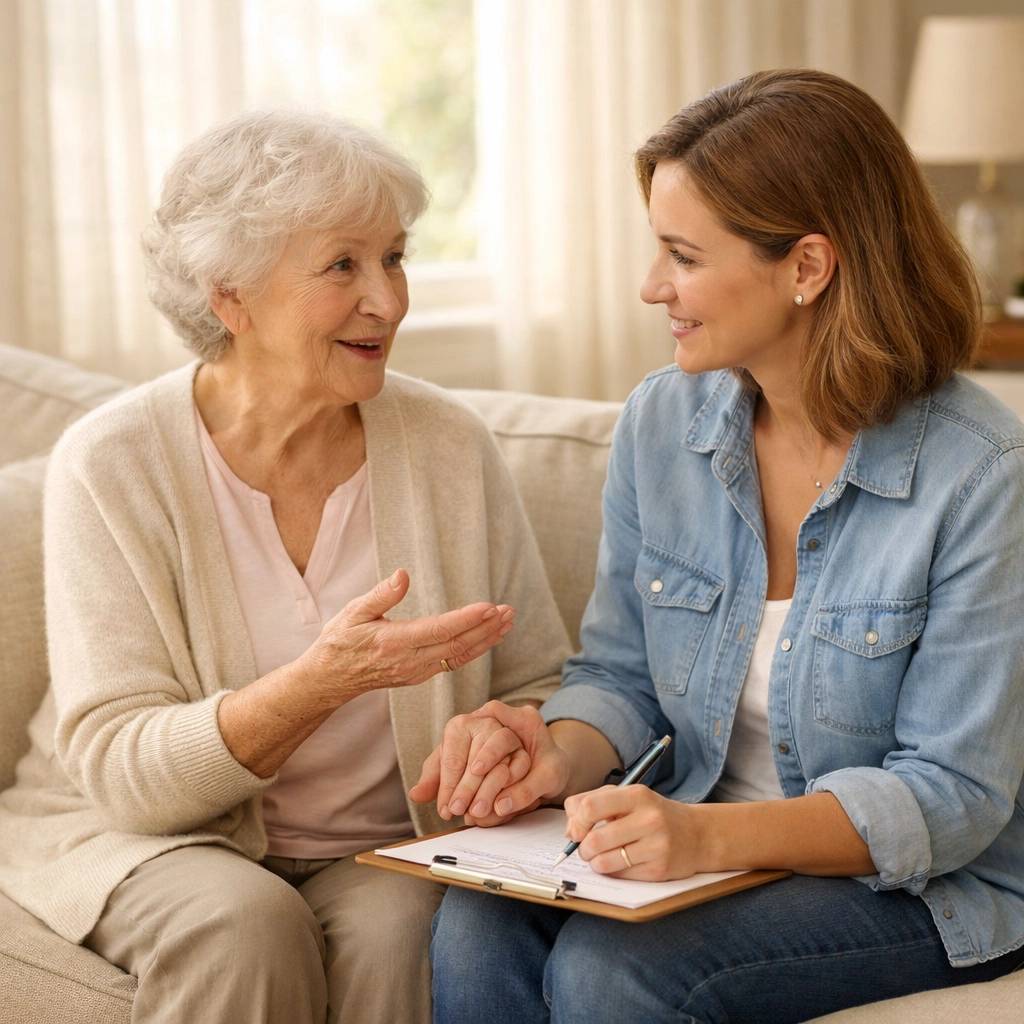
Pay close attention to changes in how your loved one moves. Are they shuffling their feet instead of taking clear steps? Do they grab furniture or walls for support when walking? Have you noticed them becoming unsteady when standing up from a chair or getting out of bed? These physical signs provide crucial early warnings about declining balance and strength.
Don't overlook cognitive changes, either. Confusion, disorientation, or memory lapses significantly increase fall likelihood because they affect judgment and spatial awareness. If you notice your loved one becoming more forgetful about where they are or struggling to navigate familiar spaces, discuss these observations with their healthcare team.
Keep a simple log of any close calls or actual falls. Note the time of day, what activity they were doing, and any contributing factors you noticed. This information helps healthcare providers identify patterns and adjust care plans accordingly.
Step 2: Create a Safe Home Environment
Your loved one's home environment plays a massive role in fall prevention. Walk through their living space with fresh eyes, looking for hazards that might have gone unnoticed for years. This systematic approach makes a real difference.
Start by clearing clutter from walkways and high-traffic areas. Those stacks of magazines by the armchair, electrical cords running across the floor, and boxes waiting to be sorted all become tripping hazards. Create wide, clear pathways throughout the home: aim for at least 36 inches of clearance in hallways and between furniture pieces.

Next, tackle those rugs. Loose rugs are one of the most common culprits in home falls. Either remove them entirely or secure them firmly with non-slip backing or double-sided carpet tape. If your loved one insists on keeping area rugs for warmth or comfort, make sure every edge lies completely flat against the floor with no curled corners.
Look at the furniture arrangement with a critical eye. Remove pieces that could slide away if grabbed for support during a moment of unsteadiness. Arrange remaining furniture to create natural support points along common walking paths, but ensure nothing blocks doorways or creates awkward navigation patterns.
Install grab bars in bathrooms: near the toilet, inside the shower or tub, and along any walls where your loved one might need support. Unlike towel racks or soap holders, proper grab bars are anchored into wall studs and can support a person's full body weight. Consider adding a shower chair or tub bench to reduce the need for standing during bathing.
Step 3: Brighten Every Corner with Proper Lighting
Poor lighting creates dangerous shadows and makes it difficult to spot obstacles, depth changes, or wet spots. Yet improving lighting is one of the simplest and most effective fall prevention strategies you can implement.
Install adequate lighting throughout the home, paying special attention to hallways, staircases, bedrooms, and bathrooms. Replace dim bulbs with brighter options (aim for at least 60-75 watt equivalent LED bulbs in high-traffic areas). Make sure every room has easily accessible light switches near entry points.

Add nightlights in bedrooms, bathrooms, and hallways to create safe nighttime navigation paths. The journey from bed to bathroom in the middle of the night is particularly risky: darkness, drowsiness, and urgency create a perfect storm for falls. Motion-activated nightlights work especially well because they illuminate automatically without requiring your loved one to fumble for switches.
Consider installing light switches at both ends of hallways and at the top and bottom of stairs. This simple change eliminates the need to navigate dark spaces before reaching a light source. For added convenience, try remote-controlled or voice-activated lighting systems that allow your loved one to illuminate their path before getting out of bed.
Don't forget about outdoor lighting. Illuminate pathways, steps, porches, and entry areas. Motion-sensor lights work well for exterior spaces, automatically brightening when someone approaches.
Step 4: Prioritize Appropriate Footwear
What your loved one wears on their feet matters more than you might think. Bare feet, regular socks, and loose slippers all increase fall risk because they lack adequate traction or support. Yet many people resist changing their footwear habits because they prioritize comfort over safety.
Encourage your loved one to wear supportive, non-slip shoes even indoors. Look for footwear with these essential features: non-skid rubber soles, low heels (ideally less than one inch), and secure fastenings like laces, velcro straps, or elastic. Avoid slip-on shoes that can slide off unexpectedly or backless slippers that don't provide heel support.
Proper fit is essential. Shoes should be neither too tight (which restricts circulation and causes discomfort) nor too loose (which creates tripping hazards). Your loved one should be able to wiggle their toes comfortably, but their heel shouldn't slide up and down when walking.
If your loved one insists on wearing slippers for comfort, invest in high-quality options specifically designed for fall prevention. These feature grippy soles, closed backs, and supportive construction that rivals regular shoes. Some even include additional ankle support for people with balance challenges.
Replace worn-out footwear regularly. Even good shoes lose their traction over time as soles wear smooth. Check the bottom of your loved one's shoes periodically and replace them when the tread pattern becomes shallow or smooth.
Step 5: Encourage Physical Activity and Consistent Use of Assistive Devices
Regular physical activity is one of your most powerful tools for fall prevention. Exercise maintains muscle strength, improves balance, keeps joints flexible, and boosts confidence in movement. The good news? Your loved one doesn't need to become a gym enthusiast to see benefits.
Work with their healthcare provider or physical therapist to identify safe, appropriate activities. Many communities offer balance classes, tai chi programs, or gentle yoga sessions specifically designed for older adults and fall prevention. Walking remains an excellent choice: it's free, accessible, and adjustable to any fitness level.

Strength training is particularly valuable. Building leg and core muscles provides better support during movement and makes it easier to catch oneself during a stumble. Even simple exercises like sit-to-stands from a chair or standing leg lifts can make a measurable difference when practiced consistently.
Now, let's talk about assistive devices: this is crucial. If your loved one has been prescribed a cane, walker, or other mobility aid, insist on consistent use for all walking and transfers. Not just when they "feel unsteady," but every single time. Falls happen suddenly and unexpectedly, often when someone feels perfectly fine right before the incident.
Many people resist using assistive devices due to pride, inconvenience, or simple forgetfulness. If your loved one is resistant, explore whether the device fits properly or if they need additional instruction on correct usage. Sometimes a simple adjustment or switching to a different style makes all the difference in compliance.
Moving Forward with Confidence
Implementing these five nurse-taught fall precaution steps creates multiple layers of protection for your loved one. No single strategy provides complete protection, but together they significantly reduce fall risk while maintaining independence and quality of life.
Remember that fall prevention is an ongoing process, not a one-time checklist. Your loved one's needs will change over time, requiring periodic reassessment and adjustment of safety strategies. Stay in regular communication with their healthcare team, report any changes you observe, and don't hesitate to ask questions when you need clarification or additional guidance.
The effort you invest in fall prevention today pays dividends in preserved independence, reduced injury risk, and peace of mind for everyone involved. Your loved one deserves to move through their home with confidence, and you deserve to rest easier knowing you've taken meaningful action to protect them.
✔ Reviewed by Steve Kerr, PT
Steve Kerr, PT is the founder of Fall Prevention Foundation and a licensed physical therapist with more than 30 years of experience helping older adults improve mobility, reduce fall risks, and remain safely independent at home.
Our educational articles are reviewed for accuracy and are intended to support older adults, caregivers, families, and healthcare professionals.
Learn more about Steve Kerr and the Fall Prevention Foundation →
