


Every year, one in four adults aged 65 and older experiences a fall, and many of these incidents occur right at home. In fact, slippery floors and inadequate traction contribute to a significant portion of these preventable accidents. The good news? Choosing the right non-slip flooring and surfaces can dramatically reduce your fall risk while maintaining the comfort and style of your living space.
If you're looking to create a safer home environment for yourself or a loved one, understanding your flooring options is one of the most impactful steps you can take. Let's explore the best non-slip solutions available and help you make informed decisions that enhance both safety and independence.
Why Flooring Matters for Fall Prevention
Your home's flooring serves as the foundation of your daily movements, literally. When surfaces lack adequate grip or provide unforgiving landings, they transform ordinary activities like walking to the kitchen or stepping out of the shower into potential hazards.
The right flooring does more than prevent slips. It cushions falls when they do occur, reducing the severity of injuries. It also provides comfortable support for your joints and muscles, reducing fatigue during daily activities. These factors become increasingly important as balance naturally changes with age.

The Top Non-Slip Flooring Options for Senior Safety
Rubber Flooring: The Gold Standard
Rubber flooring stands out as the safest choice for seniors who want comprehensive protection. This material naturally resists slipping even when wet, making it ideal for any room in your home. Beyond slip resistance, rubber provides impact cushioning that can significantly reduce injury severity if a fall occurs.
The benefits extend beyond safety. Rubber flooring is wheelchair-friendly, reduces fatigue on joints and muscles during prolonged standing, and absorbs sound to minimize footfall noise. It's also stain-resistant, waterproof, and requires minimal maintenance: practical considerations that matter in daily life.
Consider rubber flooring for high-traffic areas, kitchens, bathrooms, and laundry rooms where moisture is common.
Cork Flooring: Soft and Shock-Absorbent
Cork offers a unique combination of natural traction and cushioning. This soft, shock-absorbent material provides excellent grip to prevent slips while simultaneously cushioning falls to reduce injury risk. The natural texture of cork creates friction underfoot without feeling rough or uncomfortable.
Most cork floors come sealed for easy cleaning and maintenance, making them practical for everyday use. Cork works particularly well in bedrooms, living rooms, and home offices where comfort and safety intersect.
Vinyl Flooring: Affordable and Practical
Modern luxury vinyl flooring (LVF) has evolved significantly, offering affordability without sacrificing safety features. Vinyl floors with textured finishes improve grip substantially, and the material's waterproof nature makes it suitable for moisture-prone areas.
While vinyl is harder than cork or rubber: making it less forgiving during falls: it remains a practical choice when you're seeking an attractive, easy-to-maintain option that enhances traction. Many vinyl products now feature realistic wood or stone appearances, allowing you to achieve your desired aesthetic while prioritizing safety.

SPC and Engineered Flooring Options
SPC (Stone Plastic Composite) flooring and SPC Plus provide durability and water resistance with textured surfaces that reduce slipping. These rigid core options work well in high-traffic areas where you need lasting performance combined with safety features.
Engineered hardwood with matte or textured finishes offers another alternative. Unlike traditional glossy hardwood that becomes slippery when wet, textured engineered wood provides better grip while offering enhanced stability that isn't affected by moisture changes.
Textured Tiles for Specific Applications
Porcelain or honed stone tiles with textured surfaces can offer excellent grip, especially when properly sealed and maintained. However, keep in mind that these hard surfaces lack the impact absorption of softer alternatives like rubber or cork. Reserve textured tiles for areas where their water resistance is essential, and consider adding anti-fatigue mats for additional cushioning.
Room-by-Room Non-Slip Solutions
Bathrooms: The Highest Priority
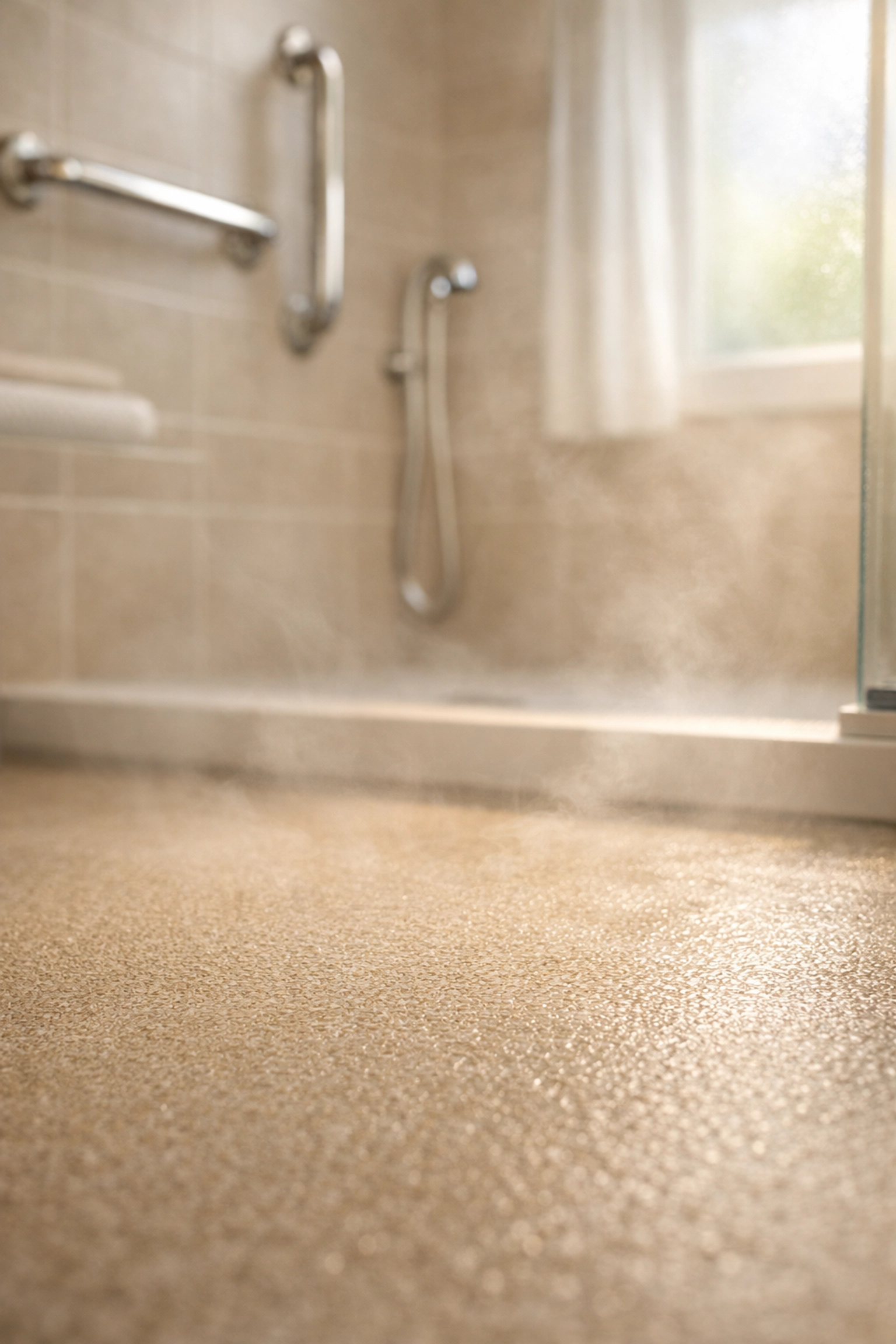
Bathrooms present the greatest slip risk in your home due to constant moisture exposure. For wet zones, slip-resistant rubber flooring is ideal: it prevents slipping even when moist and provides soft landings during falls.
Alternative options include slip-resistant textured tiles or non-slip vinyl flooring, though these harder surfaces lack cushioning. Enhance safety further by adding anti-fatigue mats with non-slip backing near the sink, toilet, and shower entrance.
Install grab bars alongside your flooring choices to create multiple layers of protection in this critical space.
Kitchens: Balancing Function and Safety
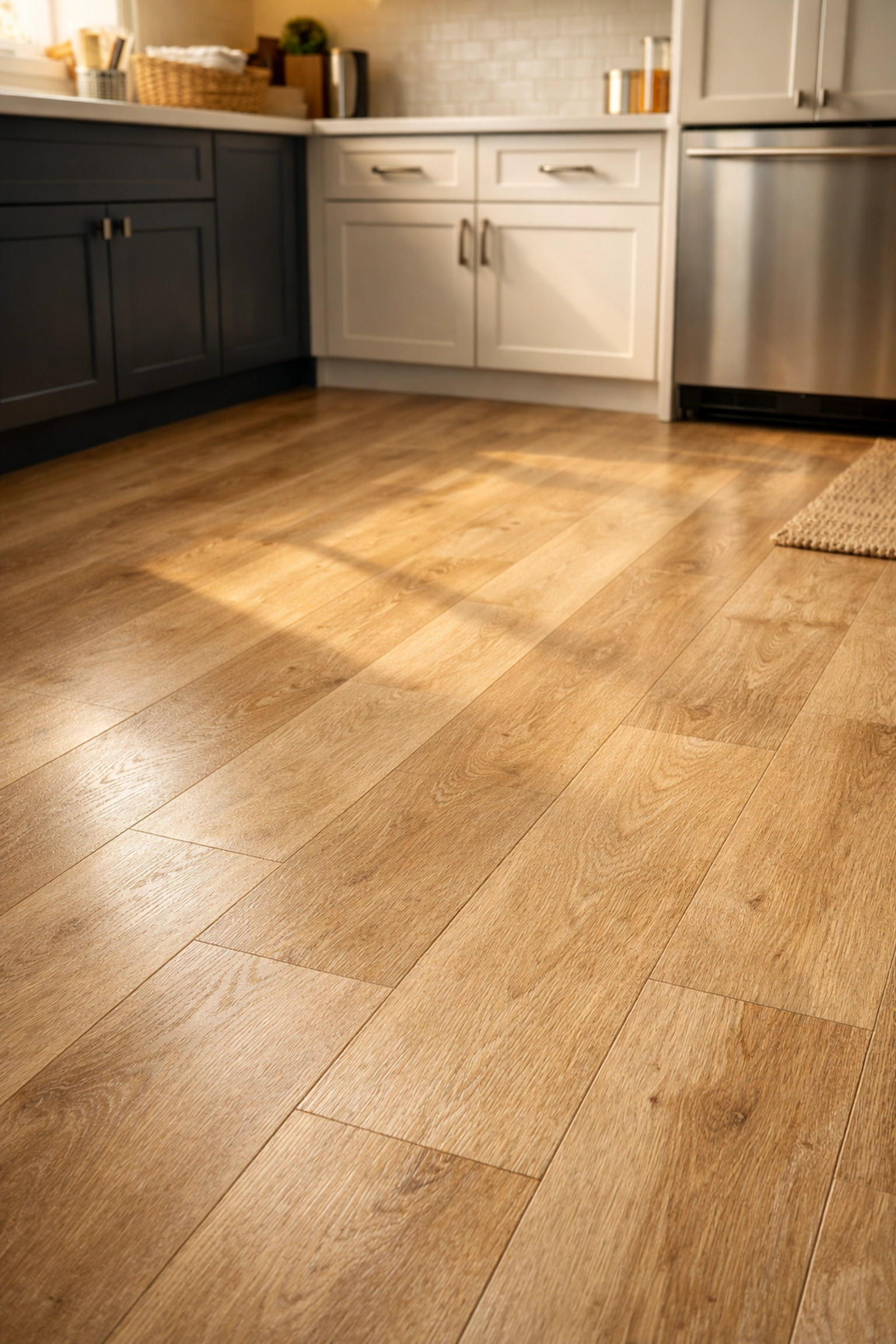
Your kitchen requires flooring that handles spills gracefully while providing comfortable standing support. Rubber or vinyl flooring works exceptionally well here, offering slip resistance when wet and easy cleanup after cooking mishaps.
Consider placing an anti-slip cushioned mat in front of the sink where you stand most frequently. Ensure the mat has a beveled edge and non-slip backing to prevent it from becoming a tripping hazard itself.
Living Areas and Bedrooms
For spaces where you spend extended time on your feet, prioritize comfort alongside safety. Cork or rubber flooring reduces fatigue while maintaining excellent traction. If you prefer the look of wood, choose engineered hardwood with a textured, matte finish rather than glossy traditional hardwood.
Ensure adequate lighting in these spaces: even the best flooring can't compensate for poor visibility that affects your spatial awareness.
What to Avoid: Common Flooring Hazards
Area Rugs and Throw Rugs
Area rugs represent a significant tripping hazard for seniors. They slide easily, bunch up, and create height differences that pose serious risks. Avoid them entirely in spaces where you walk frequently. If you absolutely must use rugs, secure them with heavy-duty non-slip rug pads and ensure all edges lie completely flat.
Many falls occur when someone catches a toe on a rug edge or when the rug slides unexpectedly underfoot. In most cases, the aesthetic benefit simply isn't worth the safety risk.
Unforgiving Hard Surfaces
Standard hardwood, laminate, porcelain tiles, and natural stone without cushioning are unforgiving during falls and can become dangerously slippery when wet. While these materials may look beautiful, they lack the protective properties that reduce injury severity.
If you have existing hard flooring, consider replacing it in high-risk areas like bathrooms and entryways. For lower-risk spaces, you might apply non-slip treatments or add textured finishes to improve traction.
Installation and Maintenance Considerations
Professional Installation
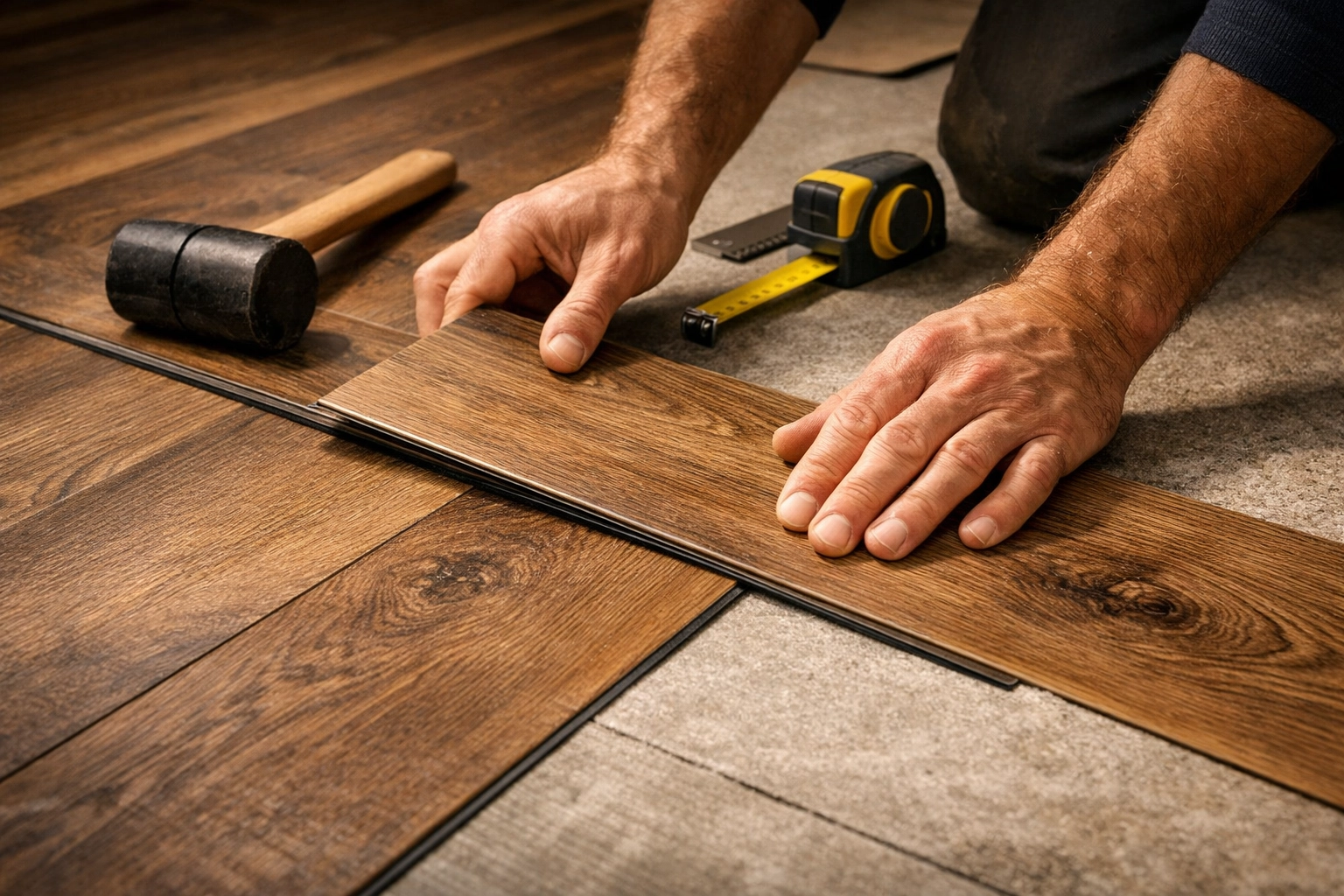
Proper installation ensures your non-slip flooring performs as intended. Work with experienced flooring professionals who understand the specific requirements of senior-safe installations. They'll ensure surfaces are level, seams are minimal, and transitions between different flooring types don't create tripping hazards.
Ask installers about the slip-resistance ratings of materials and request options that meet or exceed recommended safety standards.
Ongoing Maintenance
Even the best non-slip flooring requires proper maintenance to remain effective. Clean rubber and vinyl floors regularly with appropriate cleaners that don't leave slippery residues. Avoid wax-based products that can reduce traction.
For cork floors, reapply sealant as recommended by the manufacturer to maintain moisture resistance and surface texture. Textured tiles should be cleaned to prevent buildup in grooves that could reduce grip.
Inspect your flooring regularly for wear patterns, damage, or areas where traction has diminished. Address issues promptly to maintain consistent safety throughout your home.
Making the Right Choice for Your Home
Selecting non-slip flooring involves balancing multiple factors: your budget, existing home conditions, personal style preferences, and specific safety needs. Consult with flooring specialists and, if appropriate, occupational therapists who can assess your home and provide personalized recommendations.
Consider starting with the highest-risk areas: bathrooms and entryways: then expanding to other spaces as budget allows. Even incremental improvements create meaningful safety enhancements.
Moving Forward with Confidence
Creating a safer home environment through thoughtful flooring choices is one of the most effective fall prevention strategies you can implement. Whether you choose the comprehensive protection of rubber flooring, the natural cushioning of cork, or the practical benefits of textured vinyl, you're taking an important step toward maintaining your independence and reducing fall risk.
Remember that flooring is just one component of a comprehensive fall prevention approach. Combine your non-slip surfaces with proper lighting, strategic grab bar placement, regular vision checks, and strength-building exercises for optimal results.
By staying informed and proactive about your home's safety features, you're investing in your ability to age in place comfortably and confidently. Your home should support your independence, not compromise it: and the right flooring makes that possible.
For more information on creating a safer home environment, explore additional resources at Fall Prevention Foundation.
✔ Reviewed by Steve Kerr, PT
Steve Kerr, PT is the founder of Fall Prevention Foundation and a licensed physical therapist with more than 30 years of experience helping older adults improve mobility, reduce fall risks, and remain safely independent at home.
Our educational articles are reviewed for accuracy and are intended to support older adults, caregivers, families, and healthcare professionals.
Learn more about Steve Kerr and the Fall Prevention Foundation →

