


If you're caring for an aging parent or loved one at home, you know that familiar knot of worry that forms in your stomach at night. Will they try to get up without help? What if they fall when no one is there to catch them?
You're not alone in these concerns. In fact, 80% of falls among older adults occur when they're alone: and many of these happen during nighttime trips to the bathroom or early morning wake-ups. The good news? Bed alarms for fall prevention offer a simple, effective way to give you an early warning when your loved one needs assistance, providing peace of mind for the whole family.
This guide will walk you through everything you need to know about bed alarms: how they work, why they matter, and how to make them part of a comprehensive home safety approach.
What Are Bed Alarms and How Do They Work?
Bed alarms are monitoring devices designed to alert caregivers when someone attempts to get out of bed. Think of them as your extra set of eyes during those vulnerable moments when you can't be right beside your loved one.
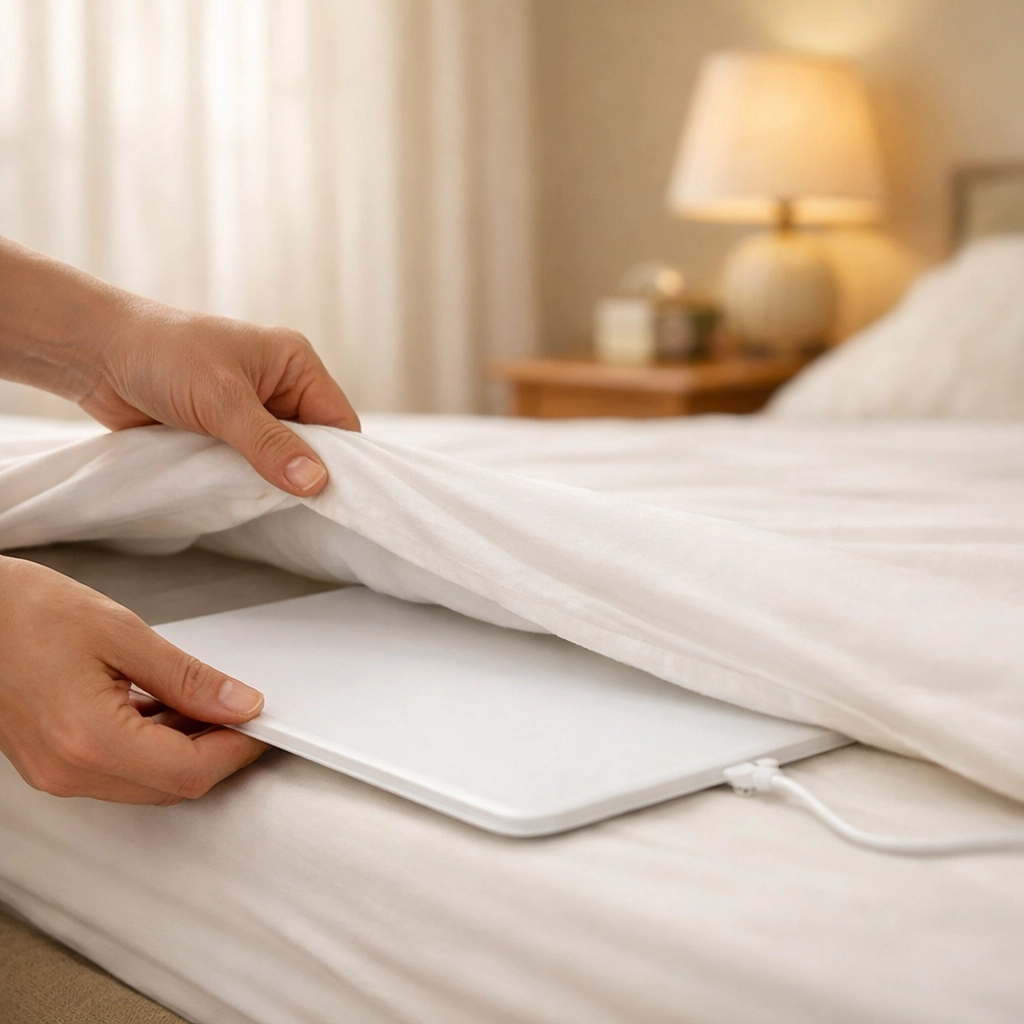
These devices use pressure-sensitive sensors that detect changes in weight and movement. The sensors are typically placed beneath the mattress or directly under the bed sheet, usually positioned near the shoulder or hip area. When your loved one shifts their weight to stand up, the reduction in pressure on the sensor triggers an alert.
Depending on the system you choose, that alert might come as:
- An audible alarm in the room
- A notification sent to a portable pager you carry
- An alert through a remote monitoring app on your phone
- A signal to a central monitoring station
The beauty of these systems is their simplicity. There's nothing for your loved one to remember to do or wear: the alarm works automatically, giving you time to assist before a fall can happen.
Types of Bed Alarms Available
Not all bed alarms are created equal, and finding the right fit depends on your specific situation. Here are the most common types you'll encounter:
Pressure Pads
These flat sensor pads slip under the mattress or sheet. They're discreet, comfortable, and don't require your loved one to wear anything. Most are thin enough that they won't affect sleep quality.
Pull-String Alarms
A small clip attaches to your loved one's clothing, connected to the alarm unit by a cord. When they move to get up, the string pulls and triggers the alert. These are affordable and portable.
Weight-Sensing Pads
Similar to pressure pads but calibrated to detect specific weight thresholds. These can be helpful for reducing false alarms caused by normal sleep movements.
Motion Sensors
Placed near the bed, these detect movement in a designated area. They're useful for monitoring a broader space but may be triggered by pets or other household activity.
Integrated Smart Systems
More advanced options connect to broader health monitoring platforms, tracking sleep patterns and movement data over time. Some can even learn your loved one's typical habits and alert you to unusual activity.
Why Bed Alarms Matter for Home Safety
The benefits of bed alarms extend far beyond the simple alert they provide. Here's why so many families find them invaluable:

Early Warning When It Counts
Bed alarms don't wait for a fall to happen: they alert you the moment your loved one begins to move. This early warning gives you precious seconds to reach them and provide assistance, potentially preventing a fall entirely.
Reduced Risk for High-Risk Individuals
For seniors with dementia, cognitive changes, or mobility challenges, the risk of falling is significantly higher. Bed alarms are especially beneficial for these individuals, as they may not remember to call for help or may not realize the danger of getting up alone.
Peace of Mind for Caregivers
Let's be honest: caregiving is exhausting, and constant worry only adds to that burden. Knowing you'll be alerted if your loved one needs help allows you to rest more easily, care for yourself, and maintain the energy you need to provide quality support.
Cost-Effective Prevention
When you compare the modest investment in a bed alarm to the potential costs of a fall: emergency room visits, hospital stays, rehabilitation, long-term care: the value becomes clear. Prevention is always more affordable than treatment.
Support for Nighttime Bathroom Needs
Many falls happen during nighttime trips to the bathroom. A bed alarm lets you know when your loved one is getting up, giving you the opportunity to assist them safely to and from the restroom.
Understanding the Limitations
While bed alarms are wonderful tools, it's important to have realistic expectations. Being informed helps you use these devices most effectively.
Alarms Alert: They Don't Prevent
A bed alarm is not a restraint. It cannot physically stop someone from getting out of bed. Its purpose is to notify you so you can respond quickly. The actual fall prevention comes from your timely assistance.
Response Time Matters
The alarm only helps if someone responds to it. If you're a heavy sleeper or the alarm is placed too far away, you might not hear it in time. Consider placement carefully and test the volume.
False Alarms Can Cause Fatigue
If the alarm triggers too often from normal sleep movements, you (and your loved one) may start ignoring it. Proper sensor placement and choosing the right sensitivity settings can minimize nuisance alerts.
They Work Best as Part of a Bigger Picture
Research shows that bed alarms alone don't significantly reduce fall rates. However, when combined with other fall prevention strategies: like good lighting, clear pathways, and mobility assistance: they become a powerful part of your safety toolkit.
Best Practices for Effective Use
To get the most benefit from your bed alarm, keep these tips in mind:

Position the Sensor Correctly
Placement matters more than you might think. Most manufacturers recommend positioning the sensor pad beneath the shoulder blades or hips, where weight changes are most detectable. Experiment to find the sweet spot that catches movement without triggering from every shift during sleep.
Train Everyone in the Household
Make sure all caregivers: family members, home health aides, overnight helpers: know how the system works, how to respond to alerts, and how to troubleshoot common issues.
Test Regularly
Like any safety device, bed alarms need occasional testing. Check that sensors are functioning properly, batteries are charged, and wireless connections remain secure. A monthly test takes just minutes and ensures reliability.
Adjust for Individual Needs
Your loved one's mobility level, cognitive status, and sleep habits should guide your choices. Someone who moves frequently during sleep may need a less sensitive sensor, while someone who rarely shifts might benefit from higher sensitivity.
Combine with Other Strategies
Pair your bed alarm with a regular toileting schedule to reduce nighttime bathroom trips. Keep a clear, well-lit path from bed to bathroom. Consider mobility tools like bed rails or transfer handles for additional support.
Integrating Bed Alarms into Your Safe Zone
At Fall Prevention Foundation, we believe in a comprehensive approach to home safety that we call creating a Safe Zone. A bed alarm is one valuable layer in this protective environment.
Your Safe Zone might include:
- Bedroom: Bed alarm, nightlight, clear floor space, sturdy furniture for support
- Bathroom: Non-slip mats, grab bars, raised toilet seat
- Hallways: Motion-activated lighting, handrails, no loose rugs
- Living areas: Stable furniture arrangement, secured cords, clutter-free pathways
When these elements work together, you create an environment where falls are far less likely: and where you have the tools to respond quickly if your loved one does need help.
Finding What Works for Your Family
Every caregiving situation is unique. The right bed alarm system for your family depends on factors like your loved one's specific challenges, your home layout, your budget, and how many people share caregiving responsibilities.
If you're unsure where to start, consider consulting with your loved one's healthcare provider or a home safety specialist. They can assess your specific situation and recommend appropriate solutions.
Remember: adding a bed alarm to your home isn't a sign that you can't handle caregiving on your own. It's a sign that you're being proactive, thoughtful, and committed to keeping your loved one safe. That's something to feel good about.
With the right tools and strategies in place, you can reduce worry, improve safety, and help your loved one maintain their independence and dignity: on their own terms, in the comfort of home.
✔ Reviewed by Steve Kerr, PT
Steve Kerr, PT is the founder of Fall Prevention Foundation and a licensed physical therapist with more than 30 years of experience helping older adults improve mobility, reduce fall risks, and remain safely independent at home.
Our educational articles are reviewed for accuracy and are intended to support older adults, caregivers, families, and healthcare professionals.
Learn more about Steve Kerr and the Fall Prevention Foundation →
