


The bathroom. It's where you start your day and wind down at night. But here's something you might not think about every time you step into the tub or shower: it's also one of the most dangerous rooms in your home.
Slip and fall accidents account for over one million injuries annually in the United States, and a substantial portion of these happen in bathrooms. The combination of hard surfaces, water, and smooth tiles creates a perfect storm for accidents that can result in fractures, head trauma, and worse.
But here's the good news: there's a simple, affordable solution that can dramatically improve your bathroom safety right now. We're talking about non-slip bath mats for elderly individuals and anyone concerned about fall prevention.
Let's dive into everything you need to know about these humble safety heroes.
Why Your Bathroom Is a High-Risk Zone
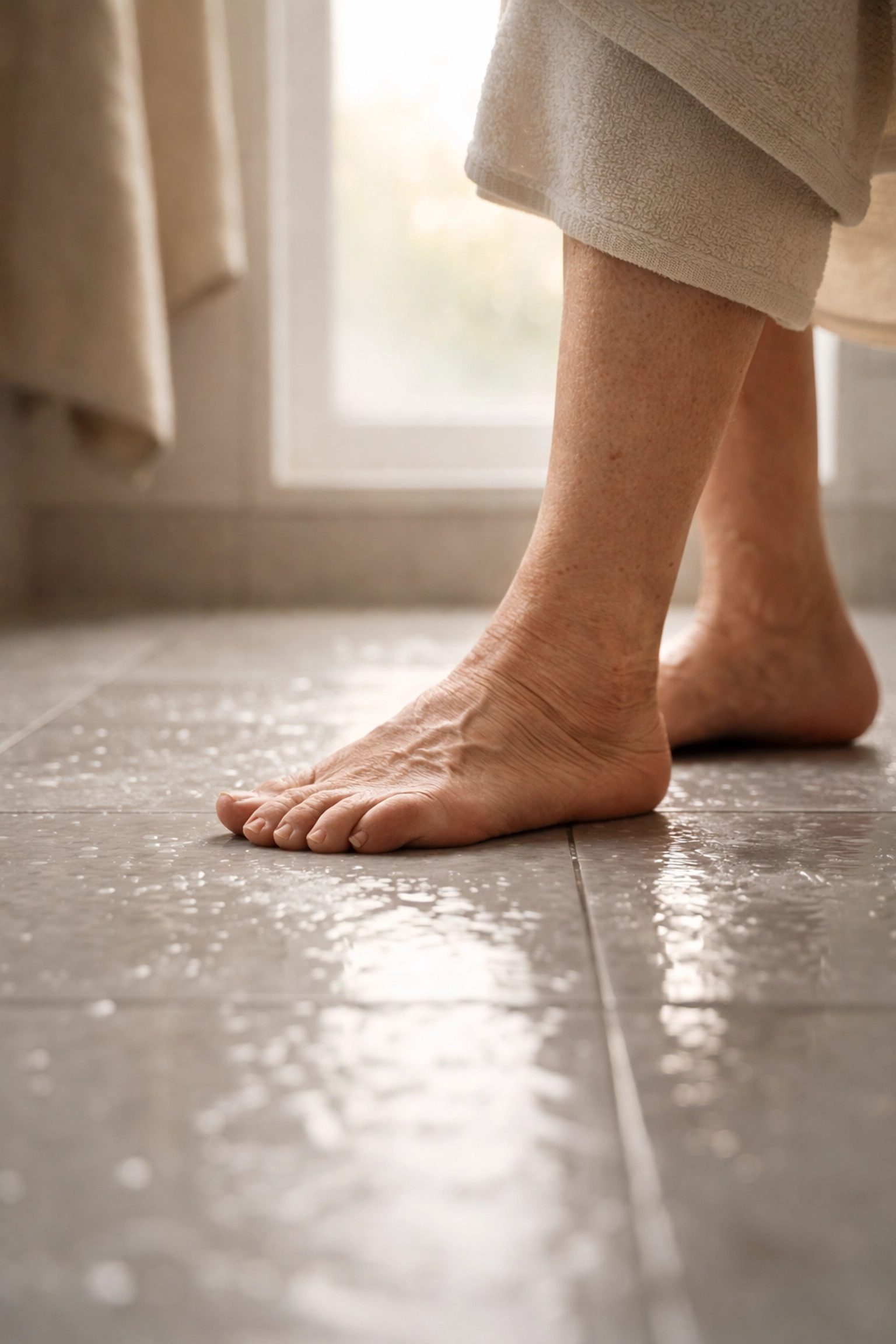
Before we explore the solution, it helps to understand the problem. When you step onto a wet surface: whether it's your bathtub floor, shower base, or bathroom tile: water acts as a lubricant. This drastically reduces friction between your feet and the surface, making it incredibly easy to lose your footing.
For older adults or anyone with mobility challenges, this risk multiplies. Balance naturally changes as we age, and reaction times may slow. What might be a close call for a younger person can become a serious injury for someone in their golden years.
The statistics can feel alarming, but understanding the risk is the first step toward doing something about it. Fortunately, non-slip shower mats for elderly individuals offer a practical, proven way to create safer footing in wet environments.
How Non-Slip Bath Mats Actually Work
Non-slip bath mats aren't magic: they're science. And understanding how they work can help you choose the right one for your needs.
The Power of Friction
At its core, a non-slip bath mat works by increasing friction between your feet and the surface you're standing on. Here's how different features accomplish this:
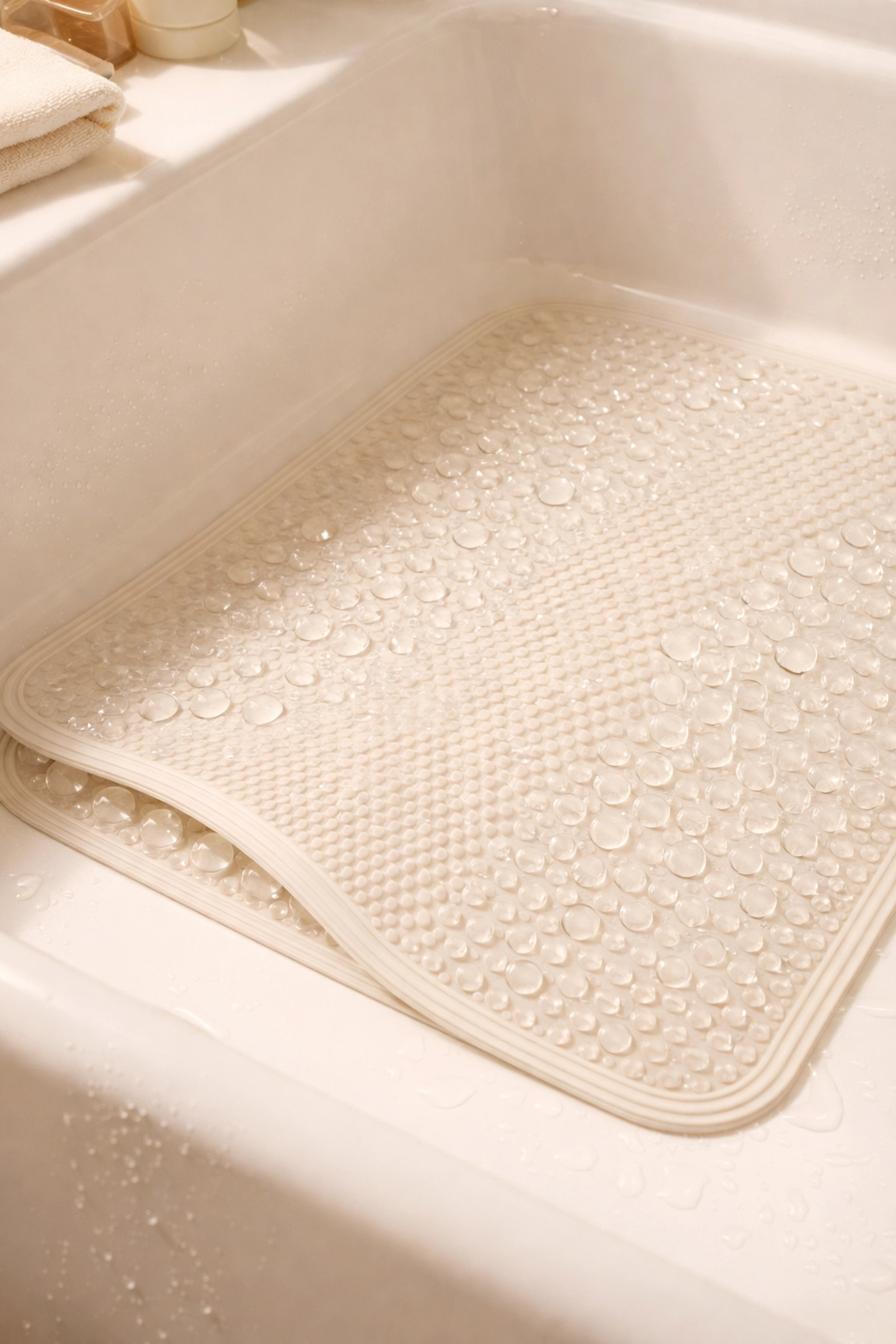
Textured Surfaces: Quality non-slip mats feature raised patterns, grooves, or nubs that create multiple contact points for your feet. This texture enhances grip significantly compared to a smooth surface. As a bonus, these patterns also channel water away from where you're standing, preventing puddles from forming underfoot.
Suction Cups: Most non-slip bath mats have suction cups on the underside. When you press the mat down against your tub or shower floor, these cups create a vacuum seal. This anchors the mat firmly in place so it won't shift, slide, or lift while you're using it.
High-Friction Materials: Non-slip mats are typically made from rubber, PVC, latex, or specialized terrycloth materials. These materials naturally offer higher friction than smooth surfaces, even when completely wet.
Together, these features create a stable, secure standing surface that moves with you: not against you.
Key Features to Look for in Non-Slip Bath Mats
Not all bath mats are created equal. When shopping for a non-slip bath mat for elderly family members or yourself, keep these essential features in mind:
Strong Suction Power
The suction cups are your mat's anchor system. Look for mats with numerous, well-designed suction cups that create a reliable seal. Test them periodically to make sure they're still gripping properly: suction cups can wear out over time.
Appropriate Size and Coverage
Your mat should cover the area where you actually stand. Measure your tub or shower floor and choose a mat that provides adequate coverage without being so large it bunches up or doesn't lie flat.
Drainage Design
Standing water defeats the purpose of a safety mat. Look for designs with drainage holes or channels that allow water to flow through and away from your standing area.
Comfortable Texture
While you want enough texture for grip, you don't want something that feels harsh on bare feet. Many modern non-slip mats balance safety with comfort, offering surfaces that are gentle on skin while still providing maximum traction.
Easy-to-Clean Materials
Bathroom mats can harbor mold and mildew if not properly maintained. Choose materials that are easy to clean, quick-drying, and ideally machine washable. Durable, high-quality materials should maintain their non-slip properties through numerous washing cycles.
Antimicrobial Properties
Some mats come treated with antimicrobial agents that help prevent the growth of mold, mildew, and bacteria. This is a nice bonus feature for bathroom environments.
Where to Place Your Non-Slip Mats
Strategic placement maximizes your safety. Consider these key locations:
Inside the Tub or Shower: This is the most critical spot. Place a mat where you stand while bathing, ensuring it lies completely flat with all suction cups engaged.
Just Outside the Tub or Shower: The transition from wet to dry is another high-risk moment. A absorbent, non-slip mat outside your tub catches drips and gives you secure footing as you step out.
In Front of the Sink: If your bathroom floor gets slippery from splashing water or humidity, consider a small non-slip mat here as well.
Near the Toilet: For nighttime bathroom visits, having secure footing in this area adds another layer of protection.

Caring for Your Non-Slip Bath Mats
To keep your mats working effectively, proper maintenance is essential:
-
Clean regularly: Wash your mats weekly to prevent buildup of soap scum, mildew, and bacteria. Many can go in the washing machine: check the care instructions.
-
Dry thoroughly: After cleaning (and between uses when possible), hang your mat to dry completely. Constant moisture can degrade materials and suction cups over time.
-
Check suction cups: Periodically lift your mat and inspect the suction cups. Replace the mat if cups are damaged, flattened, or no longer grip properly.
-
Replace when worn: Even with great care, non-slip mats don't last forever. If you notice the texture wearing smooth or the mat sliding, it's time for a new one.
Beyond the Mat: Additional Bathroom Safety Considerations
While non-slip bath mats are a fantastic starting point, they work best as part of a comprehensive bathroom safety approach. Consider these additional measures:
-
Grab bars: Installed near the tub, shower, and toilet, grab bars provide stable support for sitting, standing, and moving.
-
Adequate lighting: Make sure your bathroom is well-lit, especially for nighttime visits. Nightlights can help illuminate the path without being too bright.
-
Organized space: Keep frequently used items within easy reach so you don't have to stretch or bend in slippery conditions.
-
Non-slip socks or slippers: When walking to and from the bathroom, non-slip footwear adds another layer of protection on tile or hardwood floors.
For more comprehensive guidance on creating a safer home environment, explore our fall prevention strategies for seniors.
Taking the First Step Toward a Safer Bathroom
Here's what we love about non-slip bath mats: they're simple, affordable, and incredibly effective. You don't need a major bathroom renovation or expensive equipment to dramatically reduce your fall risk. Sometimes the most powerful safety improvements are the most straightforward ones.
If you're caring for an elderly parent, helping a loved one maintain independence, or simply want to make your own bathroom safer, a quality non-slip bath mat is one of the smartest investments you can make.
Remember, every step you take toward fall prevention is a step toward maintaining your independence, confidence, and quality of life. You deserve to feel safe in your own home: especially in spaces you use every single day.
For personalized recommendations about bathroom modifications or fall prevention strategies, consider consulting with a healthcare professional or occupational therapist who can assess your specific needs and living situation.
Your bathroom should be a place of comfort and self-care, not anxiety. With the right precautions in place, you can step in and out of your tub or shower with confidence: today and for years to come.
✔ Reviewed by Steve Kerr, PT
Steve Kerr, PT is the founder of Fall Prevention Foundation and a licensed physical therapist with more than 30 years of experience helping older adults improve mobility, reduce fall risks, and remain safely independent at home.
Our educational articles are reviewed for accuracy and are intended to support older adults, caregivers, families, and healthcare professionals.
Learn more about Steve Kerr and the Fall Prevention Foundation →
