


Falls prevention socks seem straightforward enough: put them on, and you're safer, right? Unfortunately, it's not quite that simple. Every year, millions of older adults experience falls, and while non slip socks for elderly individuals can be a helpful tool, using them incorrectly might actually work against you.
The good news? Once you know what to watch for, these mistakes are easy to fix. Whether you're caring for an aging parent, working in healthcare, or simply looking out for your own safety, this guide will help you get the most out of falls prevention socks while avoiding common pitfalls.
Let's dive into the seven most common mistakes: and exactly how to correct them.
Mistake #1: Choosing the Wrong Size
One of the most frequent errors is grabbing whatever size looks "close enough." Ill-fitting falls prevention socks can cause serious problems: too tight and you risk circulation issues; too loose and they'll slip around, defeating their entire purpose.
How to fix it:
Take measurements in the morning when swelling tends to be lowest. Have the person sit with knees bent at a 90-degree angle, then measure:
- Around the ankle
- The widest part of the calf
- From the heel to the top of the calf
Match these measurements to the manufacturer's sizing chart. And here's a crucial tip: if socks are too long, never fold them over. Folding creates a tourniquet effect that restricts blood flow. Instead, exchange them for the correct size.

Mistake #2: Skipping the Skin and Circulation Check
It's tempting to rush through getting dressed, but putting on falls prevention socks without checking skin condition first can lead to complications. Existing irritation, pressure sores, or circulation issues may worsen under the sock's grip.
How to fix it:
Before each use, take a moment to:
- Look for redness, chafing, or any pressure sores
- Ensure the skin is clean and completely dry
- Check toe temperature and color: they should be warm and have healthy coloring
- Note any numbness, unusual darkness, or pain
If you notice anything concerning, it's wise to consult with a healthcare professional before continuing use. This simple habit takes just a minute but can prevent bigger problems down the road.
Mistake #3: Putting Them On Incorrectly
Even the best non slip socks for elderly family members won't work properly if they're bunched up, wrinkled, or twisted. Improper application creates pressure points and can actually restrict movement: the opposite of what you want.
How to fix it:
Here's the proper technique:
- Have the person sit on a flat surface or lie down
- Turn the sock inside out to the heel
- Place the sock over the toes first
- Gently roll the sock up the leg, turning it right-side out as you go
- Pull the sock up as high as it will comfortably go without covering the knee
Taking an extra 30 seconds to do this correctly makes a real difference in comfort and effectiveness throughout the day.

Mistake #4: Not Checking the Fit After They're On
So the socks are on: job done, right? Not quite. Many people skip the crucial step of assessing fit after application. Wrinkles you couldn't see during the process, bunching that happened as the person stood up, or restricted movement at joints can all go unnoticed.
How to fix it:
After the socks are in place, run through this quick checklist:
- Ask about any discomfort, tightness, or pain
- Visually verify the sock lies straight and flat
- Check for wrinkles or bunching, especially around the ankle and heel
- Have the person bend their knee and flex their ankle to ensure free movement
- Look at the toe area: it shouldn't be pulling or creating pressure
This assessment takes less than a minute and catches problems before they become painful.
Mistake #5: Wearing Them at the Wrong Times
There's a common misconception that falls prevention socks should be worn around the clock for maximum protection. In reality, wearing them during sleep or for extended periods beyond what's appropriate can cause issues since your circulatory needs change when you're lying flat.
How to fix it:
If a healthcare provider has recommended falls prevention socks, follow their specific guidance about wearing duration. Generally speaking:
- Remove socks before sleeping unless specifically instructed otherwise
- When lying flat, your body doesn't need the same support as when upright
- Take breaks as recommended to let skin breathe
Everyone's situation is different, so working with a healthcare professional to establish the right wearing schedule for your specific needs is always the best approach.

Mistake #6: Wearing Them Inside Shoes
Here's a mistake that catches many people off guard: wearing falls prevention socks inside shoes during walking. While it seems logical to double up on protection, the textured grip on these socks can bunch up inside footwear, creating pressure points and potential skin damage.
How to fix it:
Consider this general guidance:
- For walking and moving around: Well-fitting, supportive shoes typically provide better protection than non-slip socks
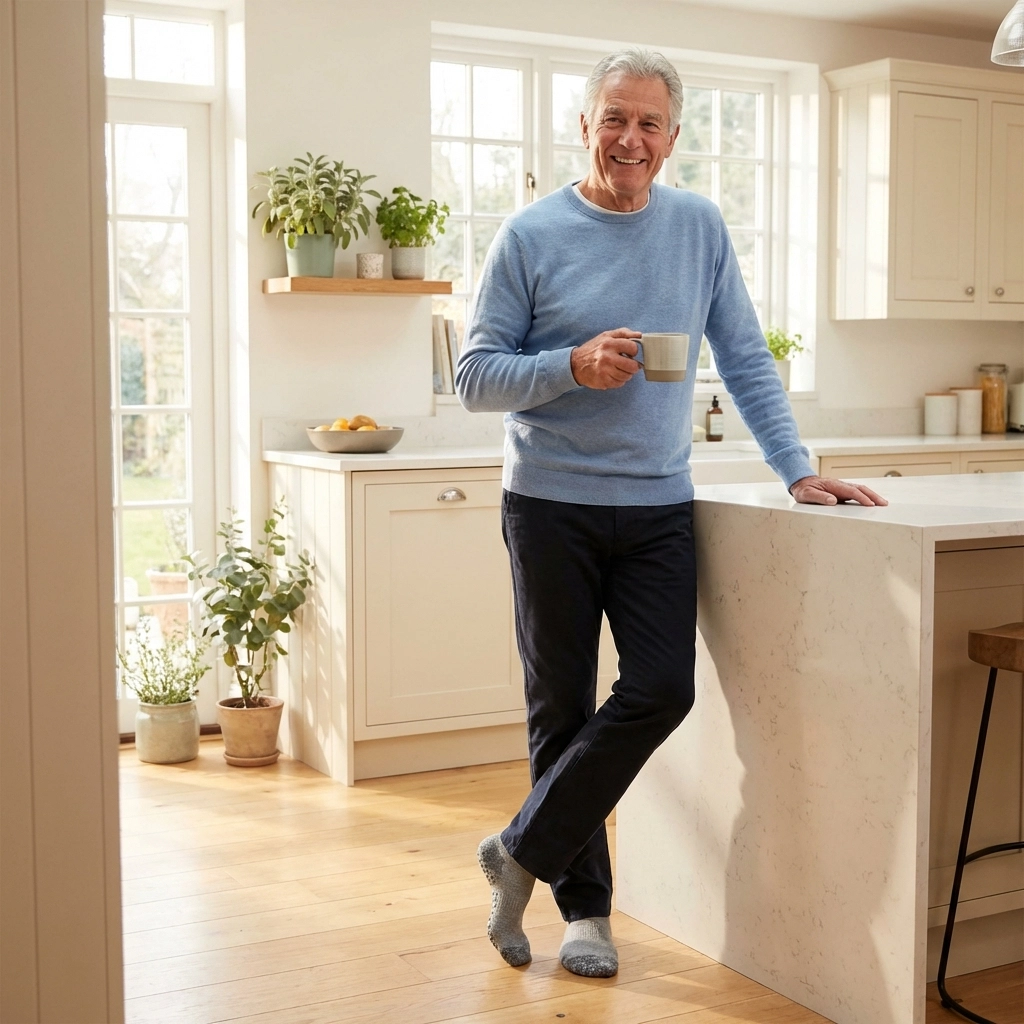
- For standing or stationary activities: Falls prevention socks can be helpful on smooth indoor surfaces
- For getting in and out of bed: Non slip socks for elderly individuals can provide good traction on hard floors
The key is matching the right footwear to the activity. If mobility is a concern, you might also explore options like non slip slippers for elderly women or other supportive footwear designed for safe ambulation.
Mistake #7: Using a One-Size-Fits-All Approach
Perhaps the biggest mistake is assuming falls prevention socks work equally well for everyone. They don't. Applying them universally without considering individual circumstances can actually increase fall risk for certain people.
How to fix it:
Falls prevention socks may not be the best choice for individuals with:
- Peripheral neuropathy (reduced sensation in the feet)
- Shuffling gait patterns
- Foot drop
- Certain neurological conditions affecting movement
For these situations, other fall prevention strategies may be more appropriate. A comprehensive approach might include balance exercises, environmental modifications like non slip rugs for elderly safety, or addressing fall risks in specific areas like the kitchen.
The bottom line? Individual assessment matters. What works wonderfully for one person might not be right for another.
Creating a Complete Fall Prevention Plan
Falls prevention socks are just one piece of the puzzle. For comprehensive protection, consider a multi-layered approach that might include:
- Environmental modifications: Non slip bath mats for elderly family members, rubber flooring for elderly individuals in high-risk areas, and proper lighting
- Strength and balance training: A senior balance board or regular balance exercises can help build stability over time
- Regular check-ins: Using resources like our elderly fall prevention checklist to identify and address risks
- Healthcare consultations: Working with professionals who can provide personalized recommendations
Moving Forward with Confidence
Falls prevention socks can be a valuable tool when used correctly: but like any tool, their effectiveness depends on proper use. By avoiding these seven common mistakes, you're already taking meaningful steps toward safer, more confident mobility.
Remember, fall prevention isn't about living in fear. It's about making informed choices that support independence and quality of life. Small adjustments: like properly sizing socks, checking skin condition, and matching footwear to activities: add up to significant protection over time.
If you're unsure whether falls prevention socks are right for your situation, or if you have questions about the best approach for your unique circumstances, consulting with a healthcare provider is always a wise first step. They can help you build a personalized fall prevention strategy that keeps you or your loved one safe while maintaining the independence that matters most.
✔ Reviewed by Steve Kerr, PT
Steve Kerr, PT is the founder of Fall Prevention Foundation and a licensed physical therapist with more than 30 years of experience helping older adults improve mobility, reduce fall risks, and remain safely independent at home.
Our educational articles are reviewed for accuracy and are intended to support older adults, caregivers, families, and healthcare professionals.
Learn more about Steve Kerr and the Fall Prevention Foundation →

