


Falls are the leading cause of injury among older adults, with one in four seniors experiencing a fall each year. These incidents often result in fractures, head injuries, and hospitalizations that can dramatically impact your independence and quality of life. Beyond the physical consequences, falls frequently trigger a fear that leads to reduced activity and increased isolation.
The good news? You can take proactive steps to improve your balance and reduce fall risk. Balance boards have emerged as an effective, convenient tool that helps seniors maintain stability, strengthen core muscles, and boost confidence in their daily movements. This comprehensive guide explores how balance boards work, their proven benefits, and practical considerations for incorporating them into your routine.
Understanding Balance Boards and How They Work
A balance board is a simple yet effective piece of equipment designed to challenge your stability and coordination. These devices typically consist of a flat platform mounted on an unstable base: whether it’s a dome, rocker, or wobble mechanism. When you stand on the board, your body must constantly make small adjustments to maintain equilibrium.
This instability forces your core muscles, legs, hips, and stabilizing muscles throughout your lower body to engage actively. The continuous micro-adjustments required to stay balanced strengthen these muscle groups while simultaneously improving your proprioception: your body’s awareness of its position in space.
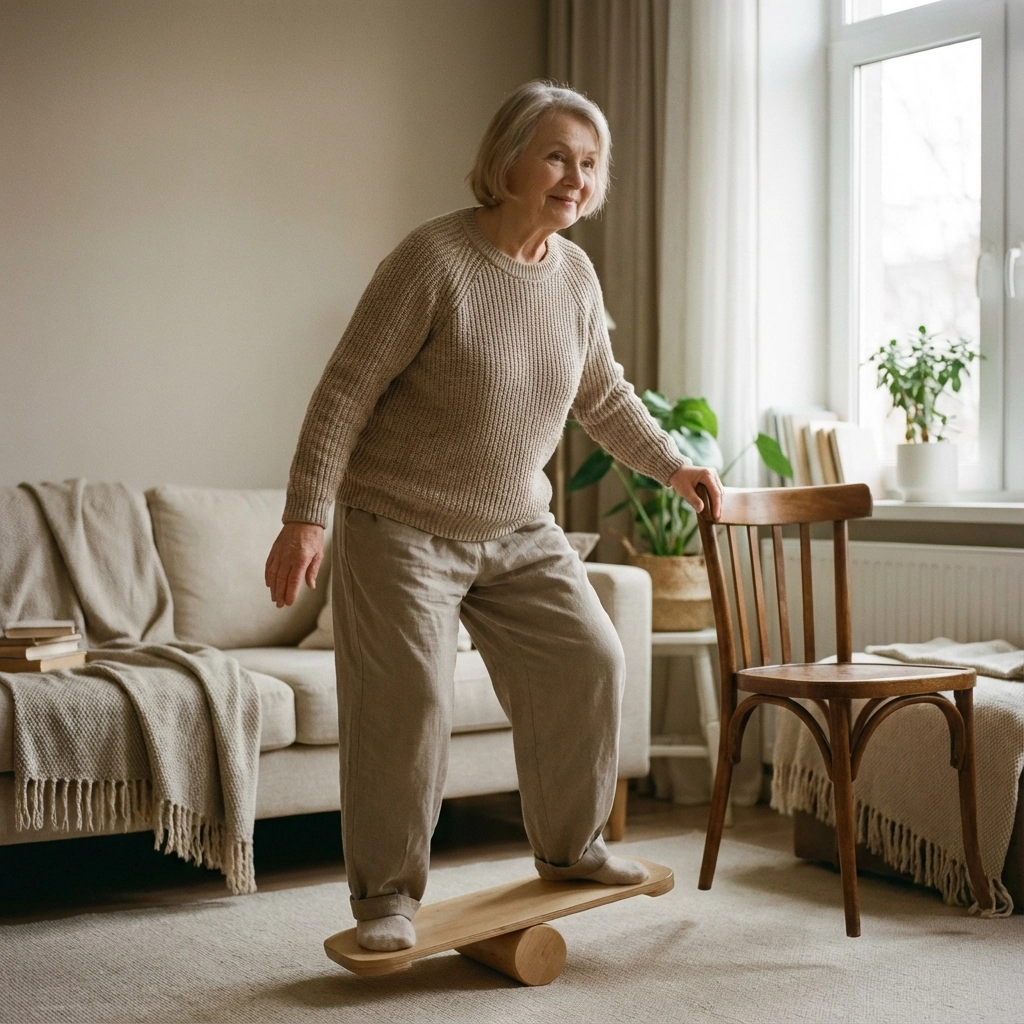
Proprioception naturally declines with age, which explains why many seniors find themselves feeling unsteady or uncertain about their footing. Balance boards specifically target this deficit by providing controlled instability that gradually retrains your body’s balance systems.
The Science-Backed Benefits of Balance Training
Research consistently demonstrates the effectiveness of balance board training for seniors. A landmark study published in the Journal of Clinical Medicine found that elderly individuals who completed a 9-week wobble board training program showed significant improvements in standing balance compared to control groups. Participants could stand longer on both balance boards and balance mats, indicating improved overall stability.
Physical Health Improvements
Core and Lower Body Strength: Balance boards naturally engage your core, legs, hips, and abdominal muscles to maintain stability. These are precisely the muscle groups most critical for fall prevention and everyday mobility.
Enhanced Proprioception: Regular balance training improves your body’s spatial awareness, helping you better navigate uneven surfaces, stairs, and other challenging terrains you encounter daily.
Better Coordination and Reaction Time: The constant adjustments required on a balance board improve your body’s ability to react quickly to unexpected shifts or obstacles.
Increased Flexibility and Joint Mobility: The gentle, dynamic movements encourage better joint function, which is particularly beneficial if you experience arthritis or stiffness.
Mental and Cognitive Benefits
Balance board exercises require intense focus and concentration, creating a form of moving meditation that can reduce stress and improve mental clarity. The mind-body connection strengthened through balance training may enhance cognitive processing and reaction time: benefits that extend far beyond physical stability.
Quality of Life Enhancements
Improved balance translates directly into greater confidence during daily activities. Whether you’re walking on uneven sidewalks, reaching for items on high shelves, or simply getting up from a chair, better balance means increased independence and reduced anxiety about falling.
Types of Balance Boards for Different Needs
Understanding the various balance board options helps you choose the right tool for your current fitness level and goals.
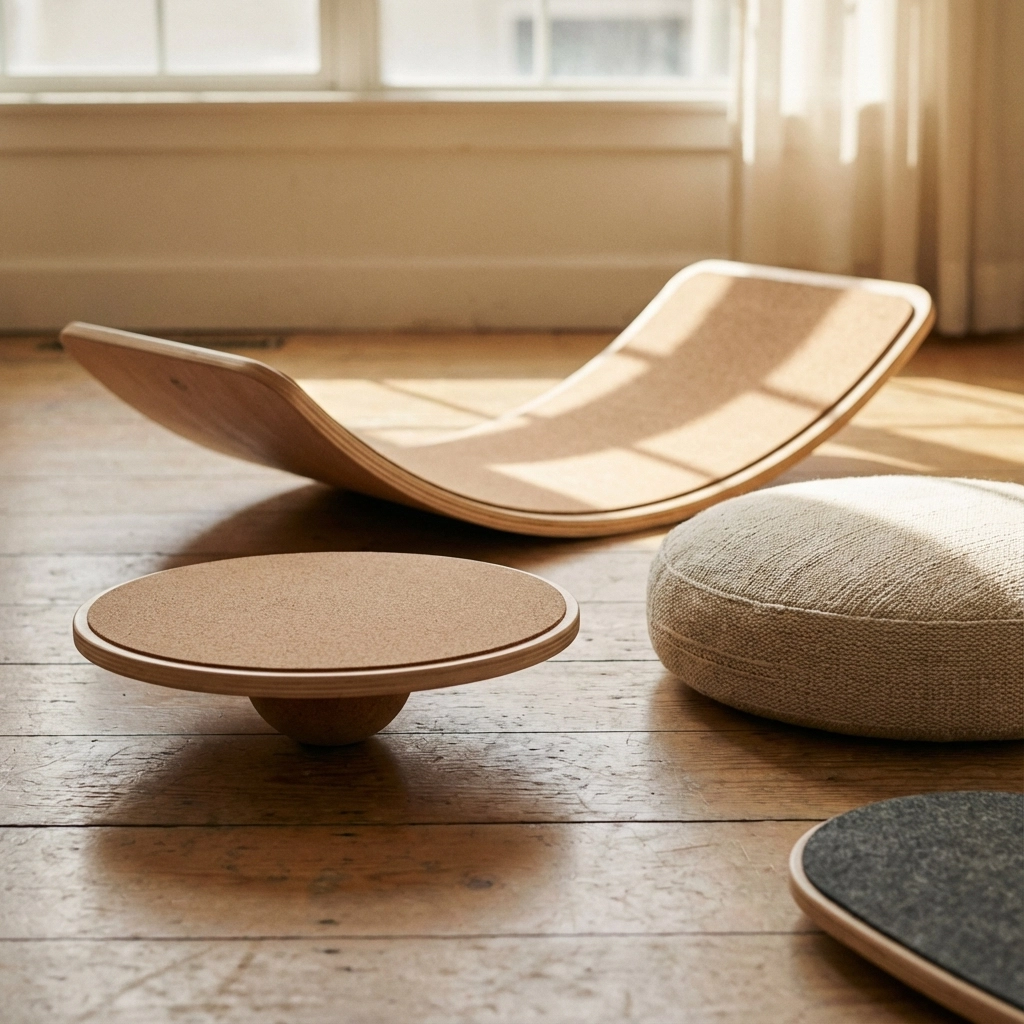
Rocker Boards: These boards rock back and forth in one direction, making them ideal for beginners. The predictable motion allows you to gradually build confidence and strength.
Wobble Boards: Featuring a dome-shaped base, these boards can tilt in any direction, providing a more challenging workout that engages multiple muscle groups simultaneously.
Balance Cushions: Inflatable cushions offer the gentlest introduction to balance training. You can adjust the difficulty by inflating or deflating them slightly.
Roller Boards: Advanced options that roll freely in multiple directions, these are typically recommended only after mastering simpler balance tools.
Safety Considerations and Getting Started
Before beginning any new exercise routine, consult with your healthcare provider or a qualified physical therapist. They can assess your current balance abilities and recommend appropriate starting points based on your individual health status and fitness level.
Essential Safety Tips
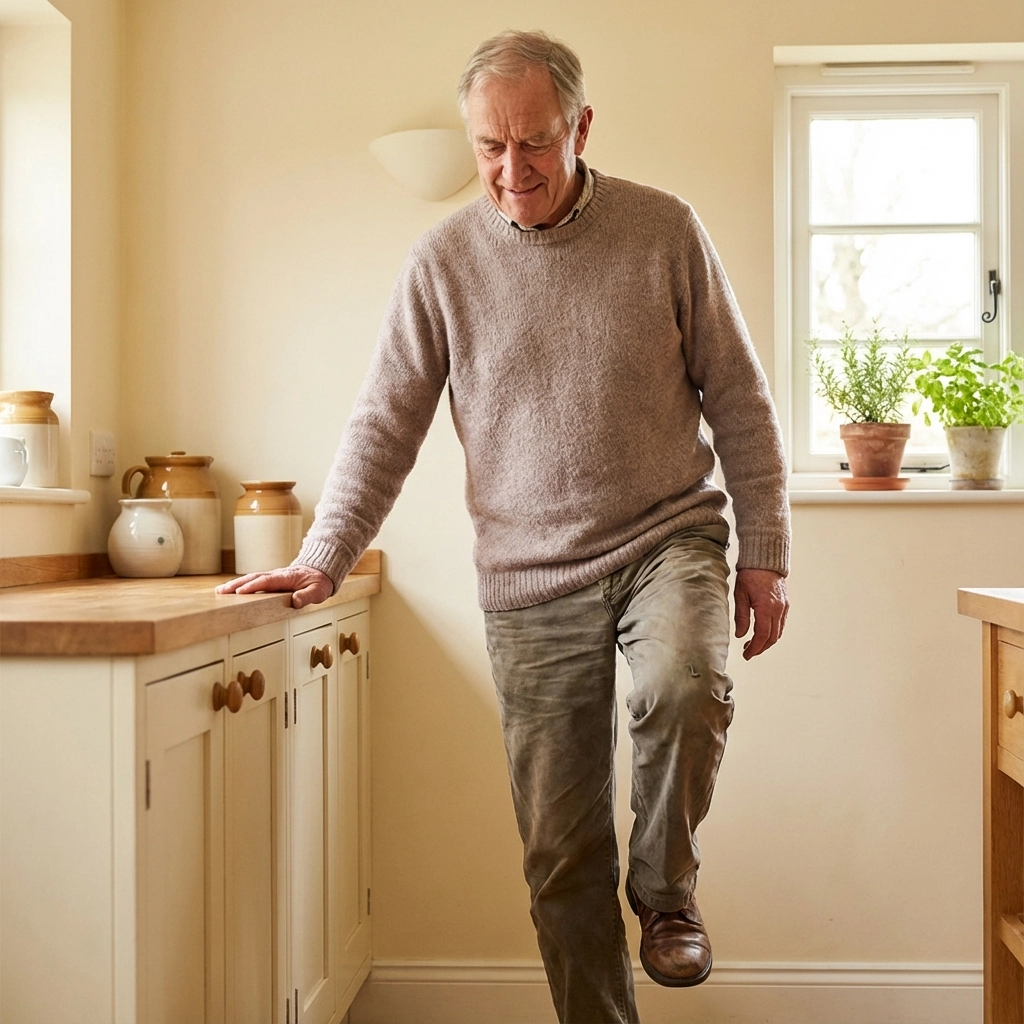
Start with Support: Begin your balance board practice near a wall or stable surface you can grab if needed. Many seniors find it helpful to have a chair or counter within reach during initial sessions.
Begin Gradually: Start with just a few minutes of practice daily. Your balance muscles may fatigue quickly at first, and overexertion increases injury risk.
Focus on Proper Form: Maintain good posture with your shoulders back, core engaged, and eyes looking forward rather than down at your feet.
Choose Appropriate Footwear: Wear non-slip shoes or exercise barefoot for better board contact and stability.
Getting Started Exercises
Basic Standing: Simply stand on the board for 30 seconds to 1 minute, focusing on maintaining your balance without gripping nearby supports.
Weight Shifting: Gradually shift your weight from side to side or front to back, controlling the board’s movement.
Heel-to-Toe Walking: Practice walking in a straight line, placing one foot directly in front of the other, before progressing to board exercises.
Sideways Walking: Take small steps sideways along a wall or counter, focusing on smooth, controlled movements.
Beyond Exercise Equipment: Daily Support Solutions
While balance boards offer excellent exercise benefits, many seniors need additional support for daily activities beyond structured workout time. For those requiring consistent stability assistance during transfers, mobility, and routine tasks, permanent support solutions often provide greater peace of mind and practical benefit.
Independence Poles and Rails offer ceiling-to-floor support that doesn’t require balance or coordination to use safely. These solutions provide immediate, reliable assistance for getting up from chairs, beds, or toilets: the moments when many falls occur.

Unlike exercise equipment that requires regular practice and gradual improvement, support poles and rails offer instant stability for those who need dependable assistance with daily movements. They’re particularly valuable for individuals recovering from illness, managing chronic conditions, or simply seeking extra security during vulnerable moments.
Creating a Comprehensive Fall Prevention Strategy
Balance boards work best as part of a broader fall prevention approach. Consider incorporating multiple strategies:
Environmental Modifications: Remove trip hazards, improve lighting, and install grab bars in key areas.
Regular Eye and Hearing Checkups: Vision and hearing changes can significantly impact balance and spatial awareness.
Medication Review: Work with your doctor to review medications that might affect balance or cause dizziness.
Strength Training: Combine balance exercises with resistance training to build overall muscle strength.
Professional Assessment: A physical therapist can evaluate your specific fall risk factors and recommend targeted interventions.
For comprehensive fall prevention resources and solutions tailored to seniors’ needs, explore our complete range of safety solutions designed to help you maintain independence and confidence in your daily life.
Balance boards represent just one tool in the fall prevention toolkit, but they’re an accessible, evidence-based option that can make a meaningful difference in your stability and confidence. Whether you choose structured exercise equipment or permanent support solutions, the key is taking proactive steps to protect your independence and well-being.
Remember, maintaining your balance isn’t just about preventing falls: it’s about preserving your freedom to live life on your own terms with confidence and security.
✔ Reviewed by Steve Kerr, PT
Steve Kerr, PT is the founder of Fall Prevention Foundation and a licensed physical therapist with more than 30 years of experience helping older adults improve mobility, reduce fall risks, and remain safely independent at home.
Our educational articles are reviewed for accuracy and are intended to support older adults, caregivers, families, and healthcare professionals.
Learn more about Steve Kerr and the Fall Prevention Foundation →

