


Menopause joint pains can significantly impact a woman’s quality of life during the transition into midlife. While most commonly associated with hot flashes, mood swings, and changes in menstruation, menopause also brings a surprising and often frustrating symptom—pain and stiffness in the joints. This discomfort is more than a nuisance; it can affect mobility, sleep quality, and overall well-being. Recognizing the link between hormonal changes and joint pain is essential for managing it effectively and restoring comfort to daily life.
This in-depth article explores the science behind menopause joint pains, outlines the symptoms and causes, and provides practical tips for relief through lifestyle, diet, and natural remedies. Whether you’re approaching menopause or already navigating it, understanding this issue can empower you to take back control of your health.
What Are Menopause Joint Pains?
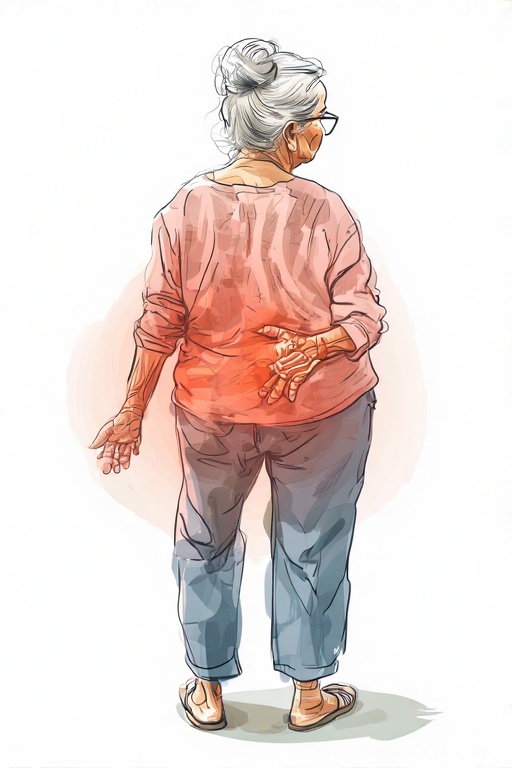
Menopause joint pains refer to the stiffness, swelling, and general discomfort many women experience in their joints during perimenopause and menopause. These pains most commonly affect the neck, shoulders, elbows, knees, hips, and hands. The discomfort can range from mild aches to severe stiffness that limits range of motion or makes daily tasks difficult.
The onset of these symptoms often coincides with declining estrogen levels during the menopausal transition. While aging itself can contribute to joint wear and tear, there is increasing recognition that hormonal fluctuations have a direct impact on inflammation and joint health.

Common Symptoms of Menopause Joint Pains
The presentation of menopause-related joint issues varies from person to person. Some women may feel mild discomfort, while others develop severe stiffness that mimics arthritis.
Typical symptoms include:
- Morning stiffness that improves with movement
- Swelling in joints, especially fingers, knees, or wrists
- Aching or throbbing pain, particularly after periods of inactivity
- Decreased flexibility or range of motion
- Clicking or popping sounds in joints
- Tingling or numbness, which may indicate inflammation affecting nearby nerves
Women may also notice that the pain intensifies with stress, poor sleep, or weather changes—factors that further complicate menopause symptom management.
The Hormonal Connection: Why Estrogen Matters
Estrogen is more than just a reproductive hormone; it plays a crucial role in musculoskeletal health. As estrogen levels decline during menopause, the following physiological changes can occur:
- Increased Inflammation: Estrogen helps keep inflammatory cytokines in check. Lower levels lead to an increase in systemic inflammation, which can cause joint pain or aggravate existing conditions like osteoarthritis.
- Reduced Synovial Fluid: Joints are cushioned by synovial fluid, which maintains lubrication and smooth movement. Estrogen helps regulate this fluid, and a deficiency can contribute to stiffness.
- Decline in Bone Density: As bones become less dense, stress on joints increases. Estrogen protects against bone loss, and its absence can lead to joint degeneration.
- Changes in Muscle Mass: Reduced estrogen is linked to a decrease in muscle mass and strength, which places more strain on the joints and can contribute to pain or instability.
Understanding these mechanisms helps clarify why menopause joint pains are more than coincidental and deserve focused attention.
Risk Factors That May Worsen Menopausal Joint Pain
Several factors can increase a woman’s likelihood of experiencing joint pain during menopause:
- Pre-existing joint conditions, such as osteoarthritis or rheumatoid arthritis
- Obesity, which places additional stress on weight-bearing joints
- Physical inactivity, leading to muscle weakness and joint stiffness
- Chronic stress, which promotes inflammation
- Poor posture, especially for women working sedentary jobs
- Nutritional deficiencies, particularly low levels of vitamin D, calcium, or omega-3s
By identifying these contributing factors, women can take proactive steps to minimize the intensity or duration of joint discomfort.
Differentiating Menopausal Joint Pain from Arthritis
While symptoms can overlap, there are subtle distinctions between menopause-related joint pain and chronic arthritis:
| Feature | Menopause Joint Pain | Osteoarthritis or Rheumatoid Arthritis |
|---|---|---|
| Onset | Gradual, around perimenopause | Can develop at any age |
| Duration | May fluctuate with hormonal cycles | Progressive and chronic |
| Inflammation | Mild to moderate | Often pronounced in RA |
| Response to HRT | Often improves | May not change symptoms |
| Joint Deformity | Uncommon | Possible in advanced arthritis |
Consulting a healthcare provider is essential for a definitive diagnosis, particularly if joint pain persists or worsens.
Lifestyle Strategies to Reduce Menopause Joint Pains
Adjusting daily habits can significantly reduce the intensity and frequency of joint discomfort. The following lifestyle approaches are backed by both clinical and anecdotal success.
1. Stay Physically Active
Low-impact activities like walking, swimming, yoga, and tai chi help lubricate joints, build muscle, and reduce stiffness. Aim for 30 minutes of moderate movement most days of the week. Avoid prolonged sitting, which can worsen stiffness.
2. Manage Weight
Even modest weight loss can dramatically reduce pressure on the knees, hips, and lower back. Every pound lost takes about four pounds of pressure off the knees during daily activity.
3. Prioritize Sleep
Chronic sleep deprivation increases pain sensitivity. Creating a consistent sleep routine and managing night sweats or insomnia can improve both joint pain and overall energy levels.
4. Use Hot and Cold Therapy
Heat pads can loosen stiff joints and improve blood flow, while cold packs help reduce swelling and inflammation. Alternate as needed based on symptom type.
5. Improve Posture
Ergonomic workstations, lumbar support, and core-strengthening exercises help correct poor posture, which is a common trigger for neck, shoulder, and lower back pain during menopause.
Dietary Support for Menopause Joint Pains
Food plays a pivotal role in either aggravating or alleviating inflammation. An anti-inflammatory diet helps reduce joint pain while also addressing other menopausal concerns like heart health and weight gain.
Foods That Help:
- Fatty fish (salmon, sardines): rich in omega-3 fatty acids
- Berries: loaded with antioxidants that fight inflammation
- Leafy greens: high in calcium, magnesium, and vitamin K
- Turmeric and ginger: natural anti-inflammatory spices
- Nuts and seeds: provide healthy fats and essential nutrients
- Bone broth: a source of collagen that supports joint health
Foods to Avoid:
- Refined sugars and high-fructose corn syrup
- Processed meats and fried foods
- White flour and overly processed carbs
- Excess alcohol
- Excess caffeine (may exacerbate hot flashes and insomnia)
Staying hydrated is also crucial, as water helps maintain synovial fluid and joint lubrication.
Natural Remedies and Supplements
Some natural compounds may provide added relief from menopause joint pains. Always consult a healthcare provider before starting any new supplement.
- Glucosamine and Chondroitin: May help repair cartilage and reduce stiffness.
- Omega-3 Fatty Acids: Anti-inflammatory effects that reduce joint pain.
- Vitamin D: Essential for calcium absorption and bone health.
- Magnesium: Supports muscle and nerve function; deficiencies are common in menopausal women.
- Curcumin: The active compound in turmeric shown to reduce inflammation.
- Collagen peptides: May support joint and skin health during hormonal transition.
Herbal supplements like black cohosh, evening primrose oil, or phytoestrogens from soy may offer additional hormone-balancing benefits.

Hormone Replacement Therapy (HRT) and Joint Pain
Some women find that hormone replacement therapy helps reduce joint pain by restoring estrogen levels. Clinical studies have shown that women on HRT report fewer joint aches and less stiffness compared to non-users.
However, HRT is not suitable for everyone. Risks and benefits must be carefully weighed with a physician, especially if there’s a personal or family history of breast cancer, blood clots, or stroke.
When to Seek Medical Help
While menopause joint pains are common, persistent or severe symptoms should not be ignored. You should consult a healthcare professional if:
- The pain interferes with daily activity or sleep
- You notice joint deformity or severe swelling
- Over-the-counter treatments are ineffective
- There are signs of autoimmune conditions (fever, fatigue, redness)
A rheumatologist may conduct imaging studies or blood tests to rule out more serious conditions like rheumatoid arthritis, lupus, or fibromyalgia.
Long-Term Outlook
With proper care, most women can manage menopause joint pains effectively and continue leading active, fulfilling lives. The key lies in early identification, adopting an anti-inflammatory lifestyle, and addressing hormonal shifts with appropriate support. As the body adjusts to post-menopausal hormone levels, some women find their symptoms naturally lessen over time.
Conclusion
Menopause joint pains are a real and often overlooked symptom of the midlife transition, stemming largely from changes in estrogen levels that affect the joints’ ability to remain lubricated, strong, and pain-free. Fortunately, a combination of lifestyle changes, anti-inflammatory nutrition, physical activity, and targeted supplements can bring significant relief.
Empowerment through knowledge is the first step. Recognizing that these symptoms are connected to hormonal shifts—not just aging—can open the door to effective strategies and support. By taking a comprehensive and proactive approach, managing menopause joint pains becomes not only possible but transformative, allowing women to enter this life stage with greater resilience, strength, and confidence.
✔ Reviewed by Steve Kerr, PT
Steve Kerr, PT is the founder of Fall Prevention Foundation and a licensed physical therapist with more than 30 years of experience helping older adults improve mobility, reduce fall risks, and remain safely independent at home.
Our educational articles are reviewed for accuracy and are intended to support older adults, caregivers, families, and healthcare professionals.
Learn more about Steve Kerr and the Fall Prevention Foundation →

